When governments obscure the human cost of war, democracy itself is on the line. That’s the core warning emerging from a new report in The Intercept: a U.S. official says Iran’s recent attacks injured “far more” American troops than the Pentagon has publicly acknowledged—and caused the first deaths in action since the ceasefire collapsed. If accurate, this isn’t just a discrepancy in numbers; it’s a potential cover-up at a moment when the United States is edging closer to another large-scale, open-ended conflict in the Middle East.
For progressives, this story is about more than military statistics. It’s about truth, accountability, and whose lives are deemed worth telling the truth about. It’s about whether we allow war policy to be shaped by spin doctors and defense contractors rather than public debate and human rights. And it’s about the recurring pattern: every time the U.S. slides toward war, the first casualty is honest information.
—
Background: What’s Happening and Why It Matters Now
According to The Intercept’s reporting, a U.S. official with direct knowledge of recent Iran strikes says the actual number of injured U.S. troops is significantly higher than what the Pentagon has admitted publicly. The same official says these attacks resulted in the first U.S. combat deaths since the collapse of a ceasefire—yet those deaths have not been clearly or fully acknowledged in official statements.
Key elements of the story as reported:
– Iranian attacks: Iran, or Iran-aligned forces, carried out strikes on U.S. positions in the region following the breakdown of a ceasefire arrangement.
– Dozens of casualties: The U.S. official claims “dozens” of injuries—far more than the Pentagon has disclosed—suggesting a serious incident rather than isolated minor wounds.
– First deaths since ceasefire collapse: The official says these strikes caused the first U.S. deaths in action since the ceasefire fell apart, marking a dangerous escalation.
– Public vs. private numbers: The Pentagon’s public casualty figures appear to significantly understate the scale of injuries and possibly omit fatalities or mischaracterize them.
– Pattern of minimization: The report places this in a broader pattern where the U.S. military has previously downplayed traumatic brain injuries and other “invisible” wounds after missile strikes, such as Iran’s 2020 attack on Al Asad airbase in Iraq.
Taken together, the picture is troubling: the U.S. may be drifting toward deeper confrontation with Iran while simultaneously keeping the public in the dark about the real costs to American service members.
This matters right now because:
– War decisions are being made in real time, often without full congressional debate or public scrutiny.
– Casualty numbers shape public opinion: Underreported injuries and deaths make a conflict seem more “manageable” and less urgent, which can reduce resistance to escalation.
– We’ve seen this before: From Vietnam to Iraq and Afghanistan, U.S. officials have repeatedly minimized casualties, misrepresented conditions on the ground, and used secrecy to avoid accountability.
—
The Progressive Lens: Transparency, Militarism, and Human Lives
From a progressive perspective, this story sits at the intersection of several core issues: militarism, government transparency, media accountability, and the value placed on human life.
1. A War Machine That Operates Above Public Scrutiny
The modern U.S. war machine is designed to keep conflict going with minimal friction at home. That includes:
– Limited reporting of casualties: Fewer visible coffins and fewer publicized injuries mean less emotional and political blowback.
– Reliance on special operations and contractors: These forces often operate in legal gray zones and receive less public scrutiny.
– Fragmented, opaque information: Casualties may be categorized in ways that obscure their connection to specific operations or theaters of war.
Underreporting casualties is part of this architecture. It helps maintain the illusion that U.S. military actions are low-risk and under control, even when they’re inching us toward wider war.
Progressives argue that any decision to risk lives—American, Iranian, or otherwise—must be grounded in transparent, honest information. When we don’t know how many people are being wounded or killed, we cannot meaningfully consent to the policies being carried out in our name.
2. Devaluing “Invisible” Wounds and Marginalized Voices
The Intercept’s reporting echoes earlier episodes in which the Pentagon minimized injuries like traumatic brain injuries (TBIs) after Iran’s 2020 missile attack on Al Asad. These wounds often don’t show up in neat statistics: they can mean lifelong cognitive challenges, PTSD, chronic pain, and increased suicide risk.
From a social justice standpoint, this is a form of erasure:
– Service members with TBIs and psychological trauma are often treated as less “real” casualties than those who die on the battlefield.
– Families and communities are left without full understanding of what happened, which can hinder access to care, benefits, and support.
– Policy debates ignore the full human cost when these injuries aren’t counted or publicly acknowledged.
Progressive values demand that all human suffering be taken seriously, not only the injuries that fit neatly into official categories. When the Pentagon minimizes or hides these wounds, it’s effectively saying that some forms of harm don’t matter enough to inform the public.
3. War Without Democratic Consent
Democracy requires informed consent. That consent is impossible if the government withholds or distorts basic facts about war—including casualty figures. Historically, when the true costs of conflict become visible, public support drops:
– Vietnam: Graphic coverage and rising casualty numbers helped fuel the antiwar movement.
– Iraq: As the human toll and lies about weapons of mass destruction became undeniable, public opinion turned sharply.
– Afghanistan: Years of optimistic official narratives collapsed under the reality of a war with no clear victory.
A progressive approach insists that people have the right to know, in detail, what war is doing—to U.S. troops, to civilians abroad, and to the societies involved. Anything less is a form of disenfranchisement.
—
Why This Matters for Social Justice and Progressive Values
This isn’t just a foreign policy story; it’s a social justice story.
1. The Human Cost of War Falls Unequally
The burden of military service and war casualties in the U.S. is not evenly distributed:
– Working-class communities and communities of color are disproportionately represented in the armed forces.
– Rural areas and economically distressed regions often see higher enlistment rates due to limited economic opportunities.
– Veterans with serious injuries frequently struggle to access adequate health care, mental health support, and disability benefits.
When the government hides or minimizes casualties, it’s often hiding the harm done to these communities. That’s a justice issue.
2. Militarism Crowds Out Social Investment
Every escalation with Iran—or any other country—comes with immense opportunity costs:
– Billions spent on missiles, bases, and deployments could fund universal health care, affordable housing, climate action, or education.
– War-driven fear and nationalism can be used to justify surveillance, repression, and cuts to civil liberties.
Progressive politics centers the idea that resources should be used to improve people’s lives, not fuel endless conflict. Honest casualty reporting is part of resisting the normalization of permanent war.
3. Solidarity Across Borders
A progressive, justice-oriented approach insists on seeing the full picture: not only American casualties, but also Iranian casualties and the broader civilian toll in the region. Underreporting U.S. injuries is part of a larger pattern of dehumanization, where foreign lives are treated as statistics or collateral damage.
Solidarity means:
– Recognizing that Iranian families also lose loved ones in these exchanges.
– Understanding that civilian populations pay the price through sanctions, instability, and violence.
– Refusing to accept narratives that frame war as clean, precise, or victimless.
—
What People Can Do—and How to Stay Informed
You don’t need to be a foreign policy expert to engage with this issue. Here are concrete steps:
1. Support Independent Journalism
Outlets like The Intercept play a critical role in challenging official narratives. You can:
– Read and share investigative reporting on war, casualties, and foreign policy.
– Support independent media financially if you’re able.
– Follow journalists who specialize in national security and Middle East coverage.
Independent reporting helps ensure that casualty numbers and war decisions don’t disappear into classified files.
2. Pressure Elected Officials for Transparency
Contact your members of Congress and demand:
– Full, public accounting of all U.S. casualties—deaths, injuries, TBIs, and psychological trauma—linked to recent Iran-related operations.
– Public hearings on U.S. policy toward Iran, including legal authorization for military action.
– Stronger oversight of the Pentagon’s reporting practices and classification policies.
Ask specifically whether your representatives support requiring the Pentagon to report detailed casualty data to Congress and the public in a timely, standardized way.
3. Stand with Veterans and Military Families
Support organizations that:
– Advocate for veterans’ health care, mental health services, and disability rights.
– Challenge militarism and speak openly about the true costs of war.
– Provide legal and social support to service members and families affected by injuries and trauma.
Listening to veterans—especially those who have seen firsthand how casualty numbers are managed and communicated—can deepen your understanding and inform your advocacy.
4. Connect War Spending to Domestic Priorities
When you talk with friends, family, or on social media:
– Draw the link between war budgets and underfunded schools, hospitals, and climate programs.
– Highlight how secrecy about casualties makes it easier to keep pouring money into conflict.
– Frame foreign policy debates in terms of human rights and economic justice, not abstract “national interests.”
The more people see war as a social justice issue, the harder it becomes for policymakers to treat casualties as expendable.
5. Stay Informed—and Skeptical
Make a habit of:
– Comparing official Pentagon statements with independent reporting.
– Watching for language that minimizes harm (“no serious injuries,” “non-combat incident,” “force protection measures”).
– Questioning claims that conflicts are “limited,” “contained,” or “cost-free.”
A healthy democracy needs citizens who don’t take official narratives at face value—especially when lives are at stake.
—
The emerging story about underreported U.S. casualties from Iran’s attacks is a warning sign: the machinery of war is moving, and the machinery of secrecy is moving with it. For progressives, the task is clear: insist on truth, center human life, challenge militarism, and demand that decisions about war be made in the open, with full knowledge of the costs.
Read the original report here:
https://theintercept.com/2026/07/20/united-states-iran-war-casualties-cover-up-pentagon/
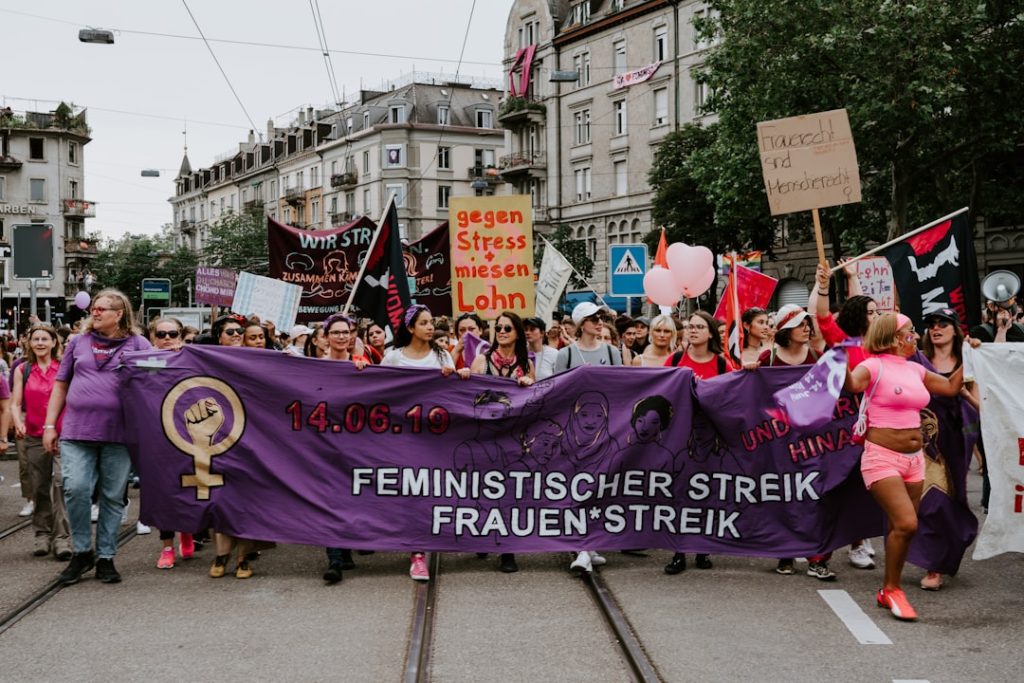
Photo by Claudio Schwarz on Unsplash
Relacionado
Discover more from Fyra - Dating App for Progressives
Subscribe to get the latest posts sent to your email.