Why Progressive Community Events Matter for Your Love Life (and Beyond)
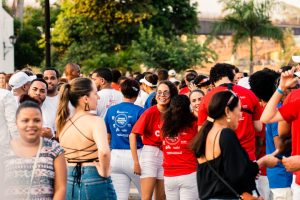
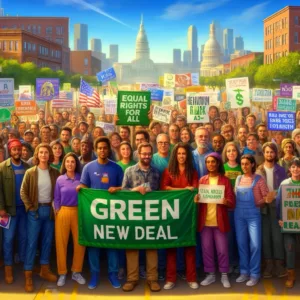
If you’ve ever wished dating apps came with a built-in community, progressive events are the next best thing. They’re where shared values move from profile prompts into real-world conversations, friendships, and sometimes relationships. Whether you’re passionate about climate justice, queer liberation, racial equity, disability rights, or all of the above, showing up in community is one of the most powerful ways to live your values—and meet people who share them.
Progressive spaces can feel more welcoming than traditional meetups, especially if you’re queer, trans, nonbinary, BIPOC, neurodivergent, disabled, or otherwise marginalized. Many organizers are intentional about accessibility, pronouns, and safer-space guidelines, creating room for connection that goes deeper than small talk.
Below are types of progressive community events, how to find them, ways to get involved (online and IRL), and tips if you’re just getting started.
Types of Progressive Community Events to Explore
Progressive community events are as varied as the people who attend them. You don’t have to be an expert or an “activist” to show up—curiosity and respect are enough. Here are some common types:
-
Social & community-building events
These are low-pressure spaces to meet people and build relationships:
- Queer coffee meetups or sober socials
- Book clubs focused on social justice, feminism, or abolition
- Board game nights hosted by LGBTQ+ centers or progressive faith communities
- Mutual aid meet-and-greets or potlucks
-
Educational events & workshops
For learning, unlearning, and skill-building:
- Anti-racism, bystander intervention, or transformative justice trainings
- Workshops on consent, healthy communication, and boundary-setting
- Panels on climate justice, disability justice, or housing rights
- Skill-shares (e.g., community organizing 101, harm reduction basics)
-
Art, culture, and joy-centered events
Movements need joy and creativity:
- Queer open mics, poetry slams, and storytelling nights
- Film screenings with discussion about social issues
- Drag shows, fashion swaps, and zine-making parties
- Community festivals celebrating marginalized identities and cultures
-
Volunteer, mutual aid & direct support
These events focus on meeting immediate needs and building solidarity:
- Community fridges, free stores, and clothing drives
- Food distribution or cooking for neighbors
- Fundraisers and benefit shows for local causes
- Letter-writing to incarcerated people or voters
-
Organizing meetings & civic engagement
For those ready to plug into ongoing work:
- Tenant union or workplace organizing meetings
- Campaign strategy sessions and canvassing trainings
- Local advocacy coalition meetings (e.g., climate, police accountability)
- Public comment sessions, teach-ins, and town halls
-
Online-only and hybrid events
Access matters, and not everyone can show up in person:
- Virtual support groups (e.g., queer & trans mental health spaces)
- Online reading groups and webinars
- Hybrid organizing meetings with call-in and caption options
- Livestreamed panels and digital conferences
How to Find Progressive Events Near You (and Online)
You don’t need insider connections to find community. Many groups are actively trying to reach people like you. Start with:
-
Event platforms
- Meetup: Search for keywords like “LGBTQ+,” “queer,” “feminist,” “social justice,” “mutual aid,” or “climate justice.”
- Eventbrite: Filter by “Charity & Causes,” “Community,” or “LGBTQ+” and set your city or “online events.”
- Facebook Events: Follow local progressive orgs and check their events tab.
-
Local organizations & community spaces
- LGBTQ+ centers, Pride organizations, and queer bars or cafes
- Community centers, co-ops, and neighborhood associations
- Mutual aid groups and food justice collectives
- Reproductive justice, racial justice, and immigrant rights orgs
- Progressive faith communities and campus groups (even if you’re not a student, some events are public)
-
Social media & newsletters
- Follow local activists, organizers, and community pages on Instagram, TikTok, and X.
- Subscribe to newsletters from local nonprofits and coalitions.
- Check your city’s alt-weekly or independent media for event listings.
-
Ask your dating matches and friends
- Use dating app chats to ask: “Know any good queer or progressive events around here?”
- Invite a friend or match to come with you to a public event if it feels comfortable and safe.
If you’re in a smaller town, online events can be a lifeline. Many national organizations host regular virtual spaces that are explicitly inclusive and accessible.
Community Building: More Than Just Networking
Progressive community events aren’t about collecting contacts—they’re about building relationships rooted in shared values and care. That matters for your dating life, but also for your sense of belonging.
Being in community can:
- Reduce isolation if you’re marginalized or politically out of step with your family or workplace.
- Help you practice relational skills—consent, communication, conflict resolution—that are crucial in dating and partnerships.
- Connect you to intergenerational wisdom, not just people your age.
- Give you a support network for everything from housing leads to emotional check-ins.
- Align your actions with your values, which can make you feel more grounded and confident when you show up in relationships.
Community building is slow and imperfect. You won’t click with everyone, and that’s okay. The point is to show up consistently enough that you move from “stranger” to “familiar face” to “someone people count on.”
Tips for First-Timers (Especially If You’re Nervous)
Being new is normal. Most people at progressive events remember what it felt like to walk into a space for the first time. A few ways to make it easier:
-
Start with low-pressure events
Social gatherings, film screenings, or book clubs can feel less intimidating than strategy meetings or protests. Look for events explicitly labeled “social,” “mixer,” “newcomer-friendly,” or “101.”
-
Bring a buddy—or go solo with a plan
If you feel safer with someone you know, invite a friend or a casual date. If you go solo, set a small goal: introduce yourself to two people, or stay for at least 45 minutes before deciding whether to leave.
-
Check accessibility and safety
Many events list whether they’re wheelchair accessible, scent-free, kid-friendly, or mask-required. If you have specific needs (e.g., captions, quiet space, transportation), email or message the organizers—they’re often happy to help or clarify.
-
Respect boundaries and identities
Use the pronouns people share, avoid invasive questions about bodies or trauma, and don’t assume anyone’s gender, sexuality, or relationship structure. If you mess up, correct yourself briefly and move on.
-
Don’t treat events as a dating marketplace
It’s totally okay to notice attraction or hope to meet someone special, but prioritize community over “finding someone.” Focus on being present, respectful, and engaged. If you do flirt, keep it low-pressure and be ready to take “no” or “not interested” gracefully.
-
Follow up
If you connect with someone platonically or romantically, ask if they’d like to exchange socials or numbers. You can say, “I’d love to keep in touch about future events—want to swap Instagram handles?” That keeps the door open without pressure.
-
Give yourself permission to try again
Not every event will be your vibe. That doesn’t mean “community isn’t for you.” Try different spaces—queer-centered, BIPOC-led, disability justice-focused, arts-based—until you find ones that feel right.
Getting Involved Beyond Showing Up
Once you’ve attended a few events, you may want to deepen your involvement. You don’t have to be a full-time organizer to make a real impact.
-
Volunteer your skills
Maybe you’re good at graphic design, social media, translation, tech support, childcare, or baking. Many groups need these skills more than they need another person at a meeting.
-
Join a working group or committee
Some organizations have smaller teams focused on specific issues, like housing, legal support, or event planning. This can be a great way to build deeper relationships with a handful of people.
-
Support financially if you can
Even small recurring donations help grassroots groups pay rent, provide snacks, and cover accessibility costs. If money isn’t possible, sharing their work or volunteering is just as valuable.
-
Host something yourself
When you feel ready, you can co-host a reading group, organize a clothing swap, or start a small online support space. Many people are waiting for someone to take the first step.
The more you invest in community, the more it tends to give back—through friendships, support, and sometimes love stories that started with, “We met at this local event…”
Whether you’re looking for romance, friendship, or just a sense of belonging, progressive community events can be a powerful way to root your dating life in something bigger than swipes. Show up, stay curious, respect boundaries, and let connection grow at its own pace—both online and in person.
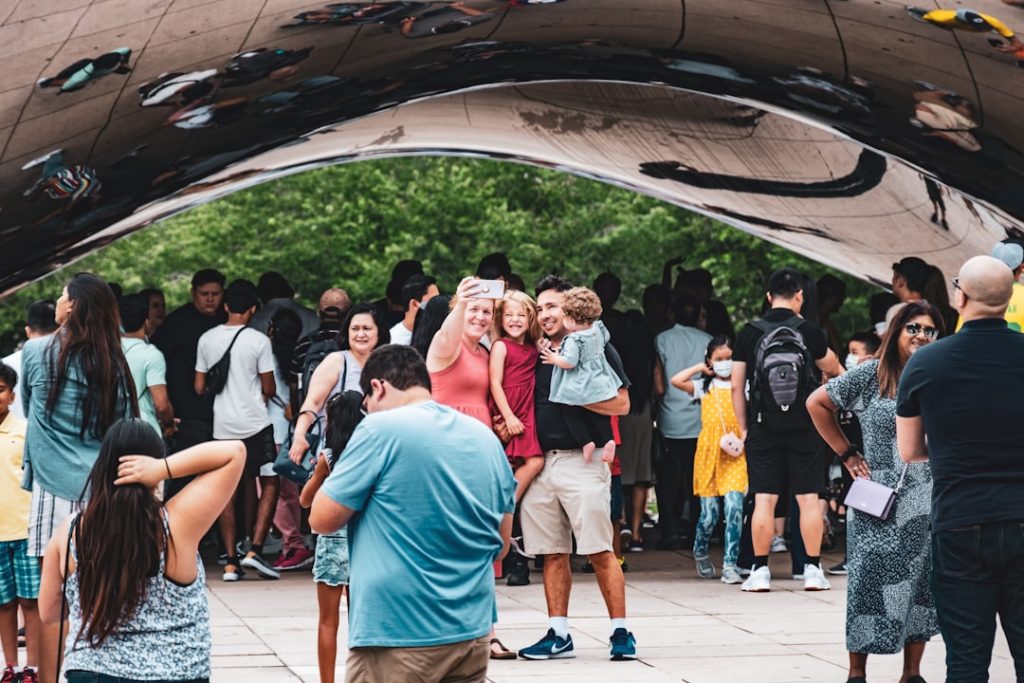
Photo by Alan Rodriguez on Unsplash
Stay Connected with Flamr
Don’t forget to follow Flamr on social media!
Relacionado
Discover more from Fyra - Dating App for Progressives
Subscribe to get the latest posts sent to your email.