Love, Liberation, and the Fight for Trans and Queer Futures
Dating apps weren’t built for a world where everyone’s identities were honored, affirmed, and safe. But that’s the world many of us are trying to create—one swipe, one conversation, one policy change at a time.
When we talk about LGBTQ+ rights, especially in 2026, we’re not just talking about who can marry whom. We’re talking about who gets to live openly, safely, and with dignity. We’re talking about whether a trans teen can access gender-affirming care, whether a queer teacher can keep their job, whether a nonbinary person can find a doctor who respects their pronouns, whether a couple can hold hands in public without fear.
And yes, we’re also talking about dating—about how we meet, connect, and build relationships in a world that is still, in many ways, hostile to queer and trans love. Love and liberation are deeply intertwined; the fight for LGBTQ+ rights is also a fight for the freedom to love ourselves and each other fully.
From Criminalization to Visibility—and the Gaps in Between
The modern LGBTQ+ movement in the United States is often traced back to the Stonewall uprising of 1969, when queer and trans people—many of them Black and Brown—resisted police violence at a New York City bar. That moment didn’t start the struggle, but it catalyzed a more visible, organized movement that challenged criminalization and demanded basic rights.
In the decades that followed, there were hard-won victories: the removal of homosexuality from the American Psychiatric Association’s list of mental disorders in the 1970s; the gradual repeal of sodomy laws; the legalization of same-sex marriage across multiple countries; anti-discrimination protections in employment, housing, and healthcare; and greater visibility in media and public life.
But visibility has always been uneven and incomplete. Trans and nonbinary people, intersex people, asexual and aromantic people, and queer people of color have often been pushed to the margins of mainstream LGBTQ+ narratives. The “LGBTQ+ rights” story told in headlines has too often centered white, cisgender, middle-class experiences, while the most vulnerable in our communities—especially Black trans women and femmes—continue to face disproportionate violence, homelessness, criminalization, and poverty.
In recent years, we’ve seen a wave of backlash: coordinated efforts to restrict gender-affirming care, ban trans youth from sports, censor queer and trans stories in schools and libraries, and roll back existing protections. The message is clear: some people would rather erase us than share power with us.
And yet, we’re still here. We’re building families, communities, and movements. We’re swiping right, going on awkward first dates, falling in love, breaking up, healing, and trying again. We’re imagining futures where our lives are not debated but cherished.
Dating While Queer and Trans: Love in a Hostile Landscape
Dating as an LGBTQ+ person has always been shaped by the world around us. When laws criminalize queer and trans existence, when families reject us, when schools erase us, when media stereotypes us, those forces show up in our dating lives too.
On dating apps, that can look like:
- Tokenization and fetishization: Being treated as an experiment, a fantasy, or a checkbox rather than a whole person.
- Misgendering and erasure: Profiles that don’t allow for accurate gender or pronoun options, or matches who refuse to respect them.
- Safety concerns: Fear of harassment, outing, or violence, especially for trans people, people of color, disabled people, and others at intersecting margins.
- Internalized shame: Carrying messages from a homophobic, transphobic, and cisnormative culture that tell us our desires are wrong or our bodies are “too much.”
And yet, dating apps have also been lifelines. For many queer and trans people—especially those in small towns, conservative regions, or unsupportive families—apps have been places to find community, flirt, practice being out, and explore identity with a bit more control over disclosure and safety.
In the last few years, more platforms have begun to recognize their responsibility in this ecosystem. Some have introduced expanded gender and orientation options, pronoun fields, safety features for reporting harassment, and educational prompts to encourage respectful behavior. Some have partnered with LGBTQ+ organizations to improve policies and support.
But there’s still a long way to go. Inclusive design isn’t just about adding more categories; it’s about rethinking the assumptions baked into the system: that gender is binary, that attraction follows narrow scripts, that everyone is out, safe, and equally resourced. A truly progressive dating space takes seriously the idea that love and liberation are intertwined—that how we connect romantically is inseparable from how we show up politically and socially.
Building Queer and Trans Futures: Policy, Culture, and Everyday Choices
LGBTQ+ rights in 2026 are at a crossroads. On one side, there are unprecedented levels of visibility, community organizing, and cultural support. On the other, there’s a coordinated backlash aiming to roll back progress and restrict our lives. The future isn’t predetermined; it will be shaped by the choices we make—individually and collectively.
Some of those choices are explicitly political:
- Defending trans and queer youth: Supporting policies that protect access to gender-affirming care, inclusive education, and safe schools.
- Expanding anti-discrimination protections: Ensuring LGBTQ+ people are protected in housing, healthcare, employment, and public accommodations—without loopholes.
- Decriminalizing survival: Challenging laws and policing practices that disproportionately target queer and trans people, especially those who are Black, Brown, migrants, sex workers, or unhoused.
- Investing in care: Backing community-based healthcare, mental health services, shelters, and mutual aid networks that center LGBTQ+ people.
But some of the most powerful shifts happen in culture and in our daily lives—especially in how we date, love, and relate to one another. We can:
- Normalize asking and respecting pronouns: Not as a trend, but as a basic part of honoring each person’s self-determination.
- Challenge our own biases: Reflect on who we swipe right on, who we consider “dateable,” and how racism, fatphobia, ableism, transphobia, and other biases shape our attractions.
- Practice consent and care: Recognize that queer and trans people often carry trauma from rejection and violence, and approach connection with gentleness, clarity, and empathy.
- Support each other’s safety: Share resources, check in on friends, believe people when they talk about harassment or harm, and push platforms to do better.
- Celebrate joy: Remember that queer and trans existence isn’t just about surviving oppression—it’s about pleasure, creativity, chosen family, and joy.
Progressive dating isn’t just about matching algorithms; it’s about building a culture where everyone’s humanity is non-negotiable.
What It Means to Love Radically Right Now
To love radically in this moment means refusing to separate our intimate lives from our political values. It means understanding that who we swipe on and how we talk to them is connected to how we vote, organize, and show up in our communities. It means recognizing that our personal liberation is bound up with the liberation of others—especially those whose experiences differ from our own.
For some, that might look like actively seeking to date within queer and trans communities as an act of mutual care and affirmation. For others, it might mean being a better ally in relationships—listening, learning, and using our privilege to make space rather than take it up. For all of us, it means asking: How can I make my love life a place where people feel more free, not less?
We can’t individually solve structural oppression through our dating choices alone. But we also can’t pretend that our relationships exist outside those structures. When we commit to practicing justice, care, and curiosity in our romantic lives, we help build the emotional and cultural foundation for broader change.
Where Do We Go From Here?
If you’re reading this on a dating app blog, you’re already at an interesting crossroads: you’re here to connect, flirt, or find love—and you’re also navigating a world in flux. You might be out and proud, questioning and exploring, quietly closeted, or somewhere in between. Wherever you are, you’re part of this unfolding story.
So, consider this an invitation—not to perfection, but to reflection and action:
- Reflect on how your values show up in your dating life. Do your choices align with the kind of world you want to help build?
- Learn more about LGBTQ+ struggles and victories, especially those led by trans people, people of color, disabled people, and others at the margins.
- Support organizations, campaigns, and mutual aid efforts that are fighting for queer and trans futures.
- Use your voice—online, offline, and on your dates—to challenge harmful narratives and uplift liberatory ones.
Most of all, stay open to the possibility that love itself can be a radical act: a refusal to accept that some lives are worth less, that some bodies are less deserving, that some futures are impossible. Every time we choose to honor someone’s full humanity—to see them, to listen, to care—we’re doing more than just dating. We’re practicing the world we want to live in.
And that world, if we’re willing to fight for it, is one where every queer and trans person can log on, go out, fall in love, and build a life without having to justify their existence. A world where liberation isn’t a slogan, but a shared reality.
The question isn’t whether that future is possible; it’s what role you’re willing to play in bringing it closer—starting with how you show up for yourself and for others, right here, right now.
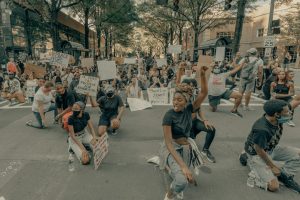
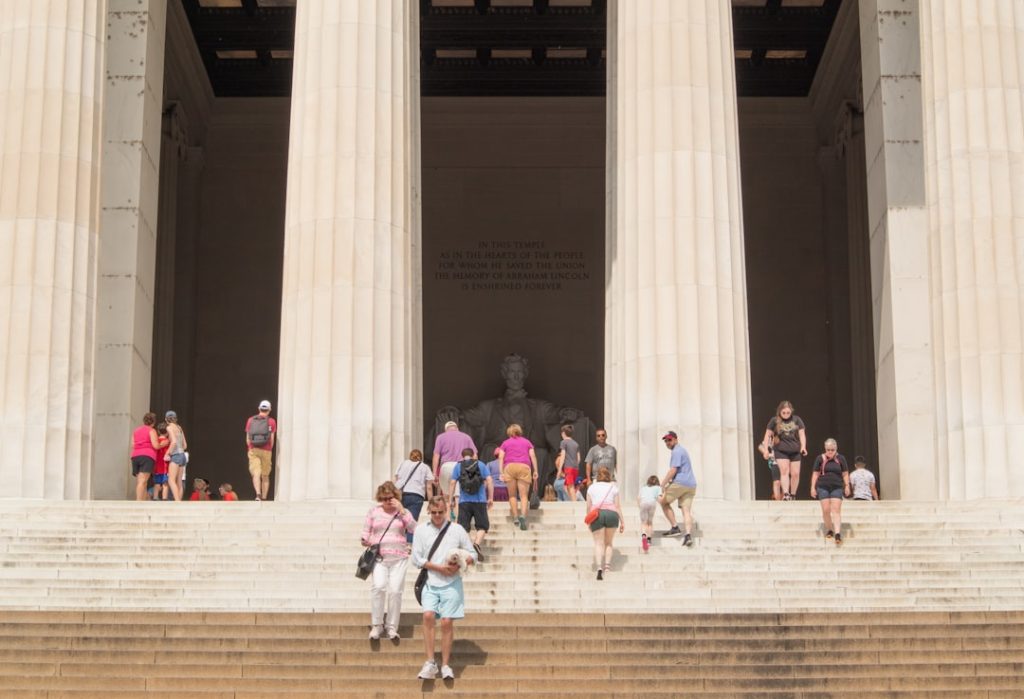
Photo by Ryan Stone on Unsplash
Stay Connected with Flamr
Don’t forget to follow Flamr on social media!
Relacionado
Discover more from Fyra - Dating App for Progressives
Subscribe to get the latest posts sent to your email.