Why Progressive Community Events Matter (Especially If You’re Dating)
Progressive community events are more than calendar fillers—they’re where values turn into action and strangers turn into friends, collaborators, and sometimes partners. If you care about social justice, climate action, LGBTQ+ rights, racial equity, disability justice, or economic fairness, showing up in community spaces is one of the most powerful things you can do.
For people dating in 2026, these spaces also offer something apps alone can’t: the chance to see how someone treats others, what they care about, and how they show up when it’s not just about impressing a match. Whether you’re single, partnered, poly, or not dating at all, progressive community events can become a meaningful part of your social and emotional ecosystem.
Types of Progressive Community Events to Explore
Progressive communities are diverse, and so are their events. You don’t have to be a seasoned activist to participate—there’s a place for organizers, introverts, creatives, data nerds, caregivers, and everyone in between.
-
Mutual Aid & Community Care
Mutual aid projects focus on neighbors helping neighbors, usually outside of traditional charity models. These might include:
- Community fridges and free pantries
- Clothing swaps and supply drives (school supplies, hygiene kits, winter gear)
- Meal trains and grocery delivery for disabled, sick, or elderly neighbors
- Rent support or emergency funds organized locally
These spaces are often hands-on and relational, making them great for meeting people who prioritize care and solidarity.
-
Educational & Skill-Building Workshops
Learning spaces are ideal if you’re curious but not sure where to plug in. Common examples:
- Anti-racism and abolitionist study groups
- Gender-affirming care and trans allyship trainings
- Climate justice, urban gardening, and sustainable living workshops
- Know-your-rights trainings and digital security 101
Workshops often include small-group discussions—perfect for thoughtful conversations that go beyond small talk.
-
Advocacy, Organizing & Direct Action
If you’re ready to get more involved, look for:
- Campaign organizing meetings (housing justice, labor rights, reproductive justice)
- Phone banks, text banks, and canvassing events
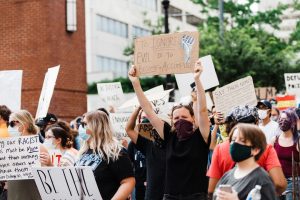
- Rallies, marches, and direct action (with safety and accessibility planning)
- Union meetings or worker-led organizing spaces
These aren’t first-date activities for everyone, but they’re powerful for building deep trust and shared purpose with others.
-
Creative, Cultural & Social Events
Not everything has to be a meeting. Culture is a key part of progressive movements. Look for:
- Poetry slams, open mics, and storytelling nights centering marginalized voices
- Queer dance parties, sober socials, and identity-based mixers
- Film screenings with panel discussions
- Art builds for protests (banner painting, sign-making, costume design)
These are especially great if you’re hoping to meet people in a relaxed and expressive environment.
-
Online Spaces & Hybrid Events
Virtual and hybrid events have stayed strong, making community more accessible to people with disabilities, caregiving responsibilities, or limited transportation. You might find:
- Online reading groups and political education series
- Virtual town halls and teach-ins
- Discord servers or Slack communities for specific causes
- Hybrid meetings where you can join via video or in person
Online spaces can be a low-pressure way to try out a group before attending in person.
How to Find Progressive Events Near You
You don’t need insider connections to find your people—just a few reliable starting points. Use more than one method; different groups use different platforms.
-
Event Platforms
- Meetup – Search for terms like “social justice,” “mutual aid,” “climate justice,” “LGBTQ+,” “feminist,” “abolition,” or “progressive politics.”
- Eventbrite – Filter by “Free” and “Online” or your city, then search for causes you care about.
- Facebook Events – Still widely used by grassroots groups; check the events tab for local organizations.
-
Local Organizations & Institutions
- Follow local nonprofits, mutual aid groups, and grassroots coalitions on social media.
- Check the websites of community centers, co-ops, independent bookstores, and art spaces—they often host or list progressive events.
- Universities and community colleges frequently host public talks, teach-ins, and cultural events open to non-students.
-
Identity-Based Communities
- Look for LGBTQ+ centers, Black or Indigenous community organizations, disability justice collectives, and immigrant support groups in your area.
- Search “[your city] + queer center,” “Black mutual aid [your city],” or “immigrant rights [your region].”
-
Digital Community Hubs
- Search Reddit, Discord, or Mastodon communities for your city or region.
- Check link-in-bio pages on Instagram or TikTok; many organizers centralize events and resources there.
- Sign up for local newsletters that focus on progressive culture, politics, or arts.
If you’re using a dating app, you can also mention that you’re interested in mutual aid, organizing, or community events. It’s a subtle invitation for matches to share their favorite spaces or join you at a public, low-pressure event.
The Power of Community Building (Beyond Swipes and Likes)
Dating apps can connect you to people, but community connects you to context. When you’re plugged into progressive spaces, relationships don’t happen in a vacuum—they’re shaped by shared values, mutual accountability, and collective care.
-
Shared Values Become Lived Practice
It’s one thing to say you care about justice; it’s another to show up consistently. Community events are where you see how people handle conflict, center marginalized voices, and respect boundaries—key ingredients for healthy relationships.
-
Support Networks Reduce Pressure on Partners
When you have friends, comrades, and neighbors to lean on, you’re less likely to expect one person to meet all your emotional needs. Community building is a love language that extends beyond romantic connection.
-
Collective Joy Is Radical
Potlucks, dance parties, and art nights are not distractions from “real” work—they’re part of it. Joy, rest, and celebration help sustain movements and relationships over the long term.
-
Accessibility and Inclusion Matter
Progressive spaces are increasingly intentional about accessibility: offering sliding-scale tickets, providing childcare, using captions on virtual events, and choosing wheelchair-accessible venues. When events center those most impacted, everyone benefits.
Tips for First-Timers (Nervous Is Normal)
If you’re new to community spaces—or returning after a break—you’re not alone. Many people worry about “not knowing enough,” being shy, or not having the right language. You don’t have to be perfect to participate.
-
Start With Your Capacity, Not Your Guilt
You don’t have to attend every meeting or volunteer every weekend. Ask yourself: “What can I realistically offer right now?” That might be a couple of hours a month, sharing a skill, or donating a small amount of money.
-
Choose Low-Pressure Entry Points
Potlucks, art builds, book clubs, and online discussion spaces are often less intimidating than strategy meetings or rallies. You can always deepen your involvement later.
-
Bring a Buddy (Or Meet One There)
If it feels safe, invite a friend, roommate, or date to join you at a public event. If you’re going solo, it’s okay to tell the host or organizer, “Hey, I’m new here.” Many groups have designated greeters or onboarding volunteers.
-
Respect Boundaries and Lived Experience
Progressive spaces often center people who are most impacted by oppression. Listen more than you speak at first, avoid speaking over marginalized voices, and don’t treat people as your personal educators about their identities or trauma.
-
Ask About Accessibility and Safety
It’s okay to email or message organizers ahead of time to ask about:
- Wheelchair access and seating options
- Masking or COVID safety policies
- Quiet areas or sensory considerations
- Gender-neutral bathrooms
Your access needs are valid. If an event can’t accommodate them, that’s information—not a personal failure.
-
Don’t Center Dating—Let It Be a Bonus
It’s okay to hope you’ll meet someone special, but try to show up first as a community member. Focus on the event’s purpose and the relationships you’re building, romantic or not. That energy tends to be more grounded and respectful.
Taking the Next Step: From Showing Up to Belonging
Belonging doesn’t happen in a single event—it emerges over time through consistency, care, and accountability. As you explore progressive community spaces, notice what feels good in your body and your spirit. Do you leave feeling energized, thoughtful, or supported? That’s a sign you’re in the right place.
Try choosing one or two groups to invest in a bit more deeply: join their newsletter, attend a few events in a row, introduce yourself to organizers, or volunteer for a small role. Community isn’t a performance; it’s a practice. And in a world that often encourages isolation and individualism, showing up for one another is one of the most radical love stories we can write—on and off the apps.
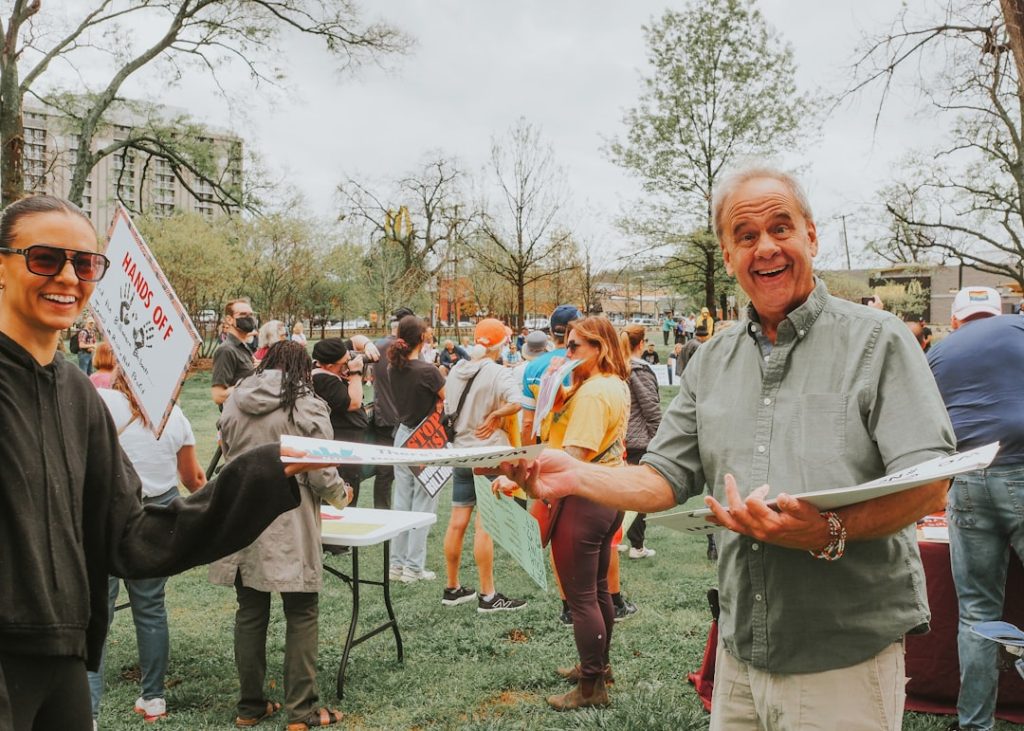
Photo by Barbara Burgess on Unsplash
Stay Connected with Flamr
Don’t forget to follow Flamr on social media!
Relacionado
Discover more from Fyra - Dating App for Progressives
Subscribe to get the latest posts sent to your email.