Why Progressive Community Events Matter for Your Life (and Love Life)
Progressive community spaces are more than political rallies or volunteer shifts—they’re where friendships form, values get clarified, and sometimes, where relationships begin. If you’re using a progressive dating app, chances are you care about issues like justice, sustainability, LGBTQ+ rights, racial equity, and mutual aid. Getting involved in local events connects those values to real people and real action.
Whether you’re brand new to community organizing or you’ve been tabling at events for years, there are more ways than ever to plug in—both online and in person. Think of community events as a way to expand your world: you meet people who share your politics, learn new skills, and build a support network that makes dating and relationships feel less isolated and more grounded.
Types of Progressive Community Events You Can Join
Progressive spaces are diverse, and so are the events. You don’t have to be a megaphone-carrying activist to get involved. Here are some common types of events you might find in your area:
- Issue-Based Workshops & Teach-Ins – These are educational events focused on topics like climate justice, prison abolition, trans healthcare access, labor rights, reproductive justice, or housing policy. They’re great if you’re curious, want to learn, and prefer structured conversation over small talk.
- Mutual Aid & Community Care Projects – Food distribution, community fridges, free stores, ride shares for appointments, childcare swaps, or fundraising for neighbors in crisis. Mutual aid is about showing up for each other horizontally, not as charity but as solidarity. It’s also a powerful way to see how people live their values in practice.
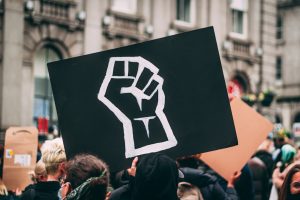
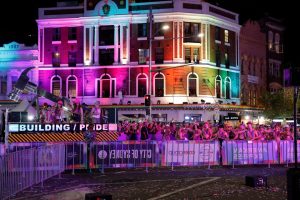
- Protests, Rallies & Direct Actions – Organized demonstrations around issues like racial justice, climate action, anti-war movements, disability rights, or workers’ rights. These spaces can be energizing and affirming when you’re surrounded by people who are outraged and hopeful in the same ways you are.
- Skill-Sharing & Creative Events – Zine-making workshops, banner painting, community gardening, bike repair clinics, digital security trainings, restorative justice circles, or consent and communication workshops. These events blend creativity, practical skills, and community building.
- Affinity Groups & Support Spaces – Spaces centered around identity and shared experience: queer and trans support groups, BIPOC-only spaces, disability justice meetups, migrant and refugee support circles, survivor groups, and more. These can be especially important if you’re looking for community that understands your lived experience.
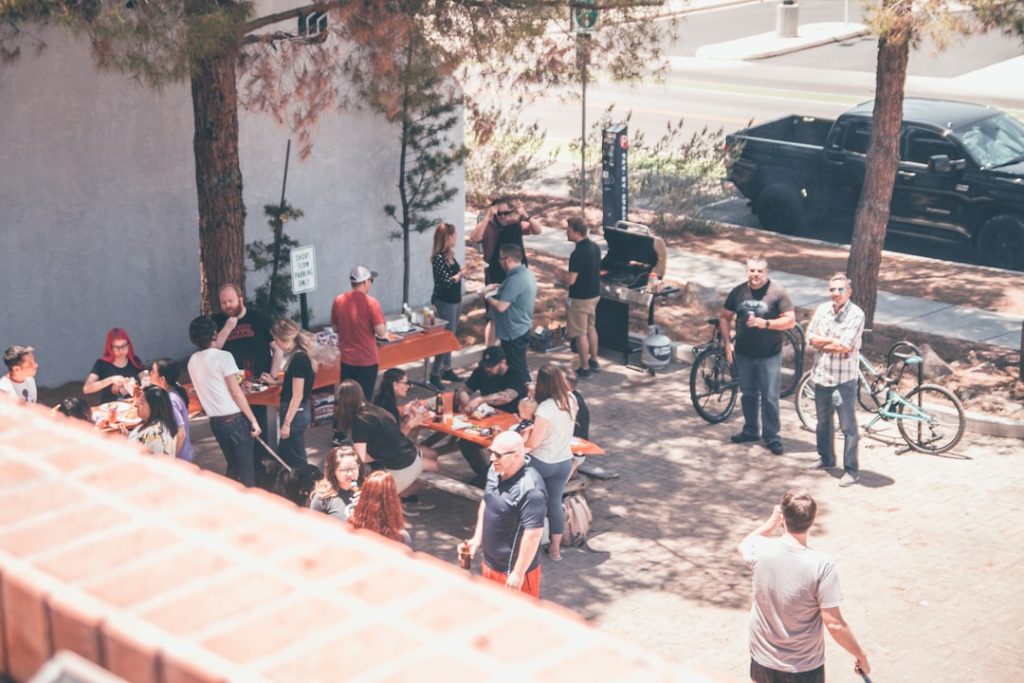
- Social & Mixer Events with a Progressive Lens – Book clubs, film screenings with discussions, queer game nights, political speed-friending, board game meetups, or casual hangouts hosted by progressive orgs. These are ideal if you want a low-pressure way to meet people who share your values.
- Online Panels, Town Halls & Organizing Calls – Virtual events hosted by local orgs, national coalitions, or grassroots campaigns. They’re accessible if you’re disabled, immunocompromised, caregiving, or just not ready for in-person gatherings.
How to Find Local (and Online) Progressive Events
You don’t need insider connections to find progressive community spaces. Many groups make their events public and accessible. Here are practical ways to start:
-
Event Platforms
- Meetup – Search for groups using keywords like “mutual aid,” “climate justice,” “queer,” “social justice,” “feminist,” or “progressive politics.” Many groups host recurring events.
- Eventbrite – Filter by location and tags like “activism,” “community,” “LGBTQ+,” “racial justice,” or “nonprofit.” You’ll find everything from teach-ins to film screenings.
- Facebook Events – Even if you don’t use Facebook much, the Events search is still widely used by local orgs to promote rallies, workshops, and fundraisers.
-
Local Organizations’ Websites & Newsletters
- Check the websites of community centers, LGBTQ+ centers, cultural organizations, labor unions, and grassroots groups in your area.
- Sign up for newsletters from local progressive orgs, mutual aid collectives, and advocacy groups. They often send monthly calendars of events and volunteer opportunities.
-
Libraries, Co-ops & Community Spaces
- Public libraries often host or promote progressive events, book clubs, and workshops.
- Food co-ops, worker cooperatives, community gardens, and independent bookstores usually have bulletin boards or social media pages listing events.
-
Campus & Youth Organizations
- If you’re near a college, look at student org calendars—groups focused on gender and sexuality, environmental justice, ethnic studies, or labor solidarity often host public events.
- Many youth-led groups share events on Instagram, TikTok, or their own sites, and welcome people beyond current students.
-
Social Media & Messaging Platforms
- Search hashtags related to your city and interests (for example, combinations like “your city + mutual aid,” “your city + tenants union,” or “your city + queer events”).
- Many communities organize via group chats, Discord servers, or Slack workspaces linked from their public pages.
-
Within Your Dating App Community
- Mention in your profile that you’re interested in mutual aid, organizing, or community events—people might invite you to things.
- If the app has community boards or interest tags, look for threads about local events or ask if anyone knows of groups to plug into.
The Power of Community Building (Beyond Swipes and DMs)
Dating and relationships don’t happen in a vacuum. They’re shaped by the communities we’re part of—who we can lean on, who keeps us accountable, who celebrates us, and who shares our fights. Progressive community events help build that ecosystem.
Being part of a community:
- Reduces isolation – When you’re surrounded by people who share your values, it’s easier to feel less alone in your politics, your identities, and your struggles.
- Deepens your values – It’s one thing to say you care about justice; it’s another to show up for tenants’ meetings, mutual aid drops, or disability justice workshops. Community events help align your actions with your beliefs.
- Supports healthier relationships – Having a broader community means you’re not relying on a partner for all your emotional needs. You get multiple perspectives, support systems, and spaces to grow.
- Creates shared context – Meeting someone at a book club on abolition or a climate justice rally means you already know you share some core values. That can make dating feel more grounded and less performative.
- Builds collective power – When people come together around shared issues, they can change local policies, support vulnerable neighbors, and create new forms of care. Participating can be healing, especially when the news feels overwhelming.
Tips for First-Timers (Introvert-Friendly and Anxiety-Aware)
Showing up to a new space can feel intimidating, especially if you’re shy, new to organizing, or worried you’ll say the “wrong” thing. You’re not alone in that. Many people at these events are nervous too, and most organizers genuinely want newcomers to feel welcome.
- Start with what feels low-pressure – If a protest feels too intense as a first step, try a film screening, book club, or online workshop. You’re still building community and learning, just in a more contained environment.
- Bring a buddy if you can – Ask a friend, date, or mutual from an app if they’d like to join you. “I’ve been wanting to check out this event—want to go together?” can be a great icebreaker and make the experience less intimidating.
- Introduce yourself to an organizer – When you arrive, look for someone checking people in or facilitating. A simple “Hi, I’m new here—anything I should know?” is enough. Organizers can point you to seats, materials, or people to talk to.
- Honor your access needs and boundaries – It’s okay to ask about masks, accessibility, or content warnings ahead of time. Many progressive orgs are working to be more accessible and appreciate the reminder. It’s also okay to leave early if you’re overwhelmed.
- Don’t worry about being an expert – You don’t need perfect language or a deep history of activism to participate. Listen, ask questions when appropriate, and be open to learning. Progress is about growth, not purity.
- Follow up after the event – If you enjoyed it, sign up for a mailing list, join a group chat, or follow the org on social media. Send a quick message to someone you met: “It was nice talking with you—hope to see you at another event.” This is how strangers become friends, collaborators, and sometimes partners.
- Try online spaces if in-person isn’t accessible – Many groups offer hybrid or fully virtual options. Online meetups, Discord communities, and Zoom workshops can be just as meaningful and are often more accessible for disabled folks, caregivers, and people in rural areas.
Turning Values Into Connection
Getting involved in progressive community events isn’t just about “doing the right thing.” It’s about building a life where your values, your relationships, and your daily routines are aligned. When you show up for your community, you open yourself up to new friendships, new collaborators, and new forms of love.
If you’re already on a progressive dating app, consider community events as an extension of your profile—a place where you can actually live out the things you say you care about. You might meet someone at a tenants’ union meeting, a queer poetry night, a climate justice workshop, or a mutual aid distribution. You might not meet anyone you date, but you’ll almost certainly meet people who expand your world.
Start small: choose one event this month—online or in person—that feels doable. Show up, be curious, be kind to yourself, and remember that everyone there is learning too. Community is built one conversation, one shared task, one moment of solidarity at a time. You don’t have to do everything. You just have to start somewhere.
Photo by Kenny Eliason on Unsplash
Stay Connected with Flamr
Don’t forget to follow Flamr on social media!
Relacionado
Discover more from Fyra - Dating App for Progressives
Subscribe to get the latest posts sent to your email.