Love, Power, and the City We Deserve: What Nithya Raman’s Mayoral Breakthrough Means for Progressive Politics—and Dating
When a democratic socialist defeats a GOP-funded opponent in one of the most powerful city races in the country, it’s not just a political headline—it’s a relationship status update between voters and the future of urban life.
Los Angeles City Councilmember Nithya Raman, an urban planner and democratic socialist, has advanced to the November general election for mayor, where she’ll face incumbent Karen Bass. In a race shaped by big money, fear-based messaging on crime and homelessness, and intense establishment pressure, Raman’s victory over a Republican-backed challenger is a major moment for the progressive movement—and for anyone who cares about building cities where people can actually thrive, date, and dream without being crushed by rent and inequality.
Read the full article: Democratic Socialist Overcomes GOP-Funded Opponent to Advance in Los Angeles Mayor Race (The Intercept)
What Happened in the LA Mayor Race?
The basics: Raman vs. Bass in November
According to reporting from The Intercept, Los Angeles City Councilmember Nithya Raman secured enough votes in the primary to advance to the general election for mayor, setting up a high-stakes showdown with incumbent Mayor Karen Bass.
Raman, who first won her council seat as an insurgent progressive, ran as an open democratic socialist with a platform centered on:
- Housing as a human right
- Transforming the city’s approach to homelessness
- Climate justice and sustainable urban planning
- Public safety models that move beyond policing as the only solution
Her main obstacle in the primary wasn’t Bass—it was a well-funded challenger backed by Republican donors and business interests who saw an opening to roll back LA’s progressive momentum. Despite the influx of right-wing money and a barrage of tough-on-crime, anti-homelessness messaging, Raman finished strong enough to advance, while the GOP-aligned candidate was eliminated.
Why this is a big deal
Los Angeles isn’t just any city. It’s a global cultural center, a massive economy, and a bellwether for urban policy across the U.S. The mayor of LA oversees enormous budgets and has significant influence over:
- Housing and zoning policy
- Policing and public safety strategies
- Climate and transportation infrastructure
- Labor standards and workers’ rights
The fact that a democratic socialist is now one of the final two contenders for that job—after beating a GOP-funded opponent—is a sign that voters are not only rejecting right-wing fearmongering, but also showing a real appetite for structural change.
Why This Matters for Progressive Values (and How We Live Together)
Housing, safety, and dignity are relationship issues
On a progressive dating app, people talk about values: mutual care, justice, consent, community. But those values don’t exist in a vacuum. They’re shaped by whether you can afford your rent, whether you feel safe getting home from a date, whether your friends are being displaced from the neighborhoods you love.
Raman’s campaign speaks directly to those material conditions. Her politics are rooted in the idea that:
- Everyone deserves stable, affordable housing—not just “the market rate” they can scramble to pay.
- Public safety should mean fewer people in crisis, not just more police cars.
- Climate policy is not an abstract future issue; it’s about whether you can breathe clean air on a walk with someone you care about.
When voters choose candidates like Raman, they’re choosing cities where relationships—romantic, platonic, familial, community—have a better chance to flourish.
Defeating GOP-funded fear politics
The Intercept’s reporting highlights that Raman’s main primary opponent was backed by Republican donors and law-and-order interests who poured money into the race. Their strategy was familiar:
- Blame “soft-on-crime” progressives for every social problem
- Frame homelessness as a threat rather than a crisis of policy and inequality
- Promise more policing and crackdowns instead of housing, mental health care, and services
Raman’s ability to overcome that money and messaging matters because it shows that fear isn’t always the winning narrative—even in a city struggling with visible inequality and crisis.
It signals that many Angelenos are ready to move beyond the politics of punishment and toward the politics of care. For progressives, that’s huge.
From City Hall to Your Dating Profile: The Politics of Care
Why urban policy is a love language
When people on progressive dating apps say they’re looking for someone who shares their values, they’re often talking about things like:
- Believing Black lives matter
- Supporting LGBTQ+ rights
- Backing workers’ rights and unions
- Caring about climate justice
But there’s a deeper throughline: a commitment to care over control, solidarity over scapegoating. Raman’s campaign embodies that shift. Instead of framing unhoused people as a nuisance to be removed for the comfort of housed residents, she focuses on:
- Massively expanding affordable and supportive housing
- Investing in services that reduce harm and crisis
- Resisting criminalization as the primary response to poverty
That’s not just a policy program; it’s a worldview. It’s the same worldview that says in relationships, we don’t punish vulnerability—we meet it with support, boundaries, and care.
Democratic socialism as everyday life, not a scary label
Decades of red-baiting have tried to make “socialism” a dirty word. Yet younger generations—who are dealing with crushing rent, student debt, climate anxiety, and precarious work—are increasingly open to democratic socialism as a practical response to a system that’s failing them.
Raman’s rise is part of that shift. Her campaign doesn’t treat socialism as an abstract ideology. Instead, it translates it into concrete commitments:
- Public investment in housing and transit
- Expanding social services instead of relying on private charity
- Centering workers and tenants, not just landlords and developers
That’s the kind of politics you see reflected in dating profiles that say things like “ACAB,” “union strong,” or “looking for someone who believes health care is a human right.” The same values showing up in our romantic lives are now showing up in our city halls.
Historical and Movement Context: This Didn’t Come Out of Nowhere
From insurgent councilmember to mayoral contender
Raman’s trajectory is part of a broader wave of left challengers who have unseated or outperformed establishment-backed candidates in major cities. Her earlier City Council win was already a shock to LA’s political machine, powered by:
- Grassroots volunteers and mutual aid networks
- Tenant organizers and housing justice advocates
- Younger, more diverse voters frustrated with status quo politics
Advancing to the mayoral general election is the next step in that arc. It shows that what started as a “long-shot” insurgency is maturing into a durable progressive bloc with real governing ambitions.
The national trend: Cities as laboratories for progressive change
Across the country, we’ve seen movements elect openly progressive and democratic socialist candidates to city councils, district attorney offices, and mayoralties. These local offices have become testing grounds for:
- Rent stabilization and tenant protections
- Reimagining public safety beyond traditional policing
- Green New Deal-style local climate plans
- Expanding public transit and bike infrastructure
Raman’s advancement keeps LA in that story. If a democratic socialist can seriously contend for mayor in one of the largest cities in the U.S., it sends a signal nationwide: progressive urban policy isn’t fringe—it’s increasingly mainstream.
Implications for the Progressive Movement
1. Grassroots organizing can beat big money—but it’s hard
Overcoming a GOP-funded opponent in a high-profile race shows that people power can still defeat dark money and corporate interests. But it doesn’t happen automatically. It takes:
- Deep organizing in neighborhoods, not just social media buzz
- Coalitions across race, class, and geography
- Campaigns that speak to real material needs, not just vibes
For progressives, this is both an inspiration and a reminder: we can’t outspend big donors, but we can out-organize them.
2. The “crime vs. care” debate is shifting
Right-wing and centrist candidates often lean on a simple narrative: more police, more punishment, fewer visible signs of poverty. Raman’s success suggests that a significant share of voters are ready for a different equation: address root causes, invest in housing and services, and rethink what safety actually means.
If she continues to gain traction in the general election, it will strengthen the argument that “tough on crime” isn’t the only way to win in cities grappling with homelessness and inequality.
3. Progressive vs. progressive: The Bass–Raman contrast
It’s important to note that Karen Bass is not a conservative foil. She has a long history as a progressive, particularly on issues like criminal justice reform and community organizing. The general election will likely highlight differences in:
- How far and how fast to move on housing and land use
- How much to shift funding and responsibility away from policing
- How confrontational to be with real estate and business interests
This isn’t a simple “left vs. right” race; it’s also a debate within the broad progressive camp about strategy, priorities, and the pace of change. That complexity is healthy—it reflects a movement wrestling with how to govern, not just how to resist.
Different Perspectives: How People Might See This Race
From the left
Many democratic socialists, tenant organizers, and abolitionist-leaning activists will see Raman’s advancement as a breakthrough—and an opportunity. They’re likely to push for:
- Bolder commitments
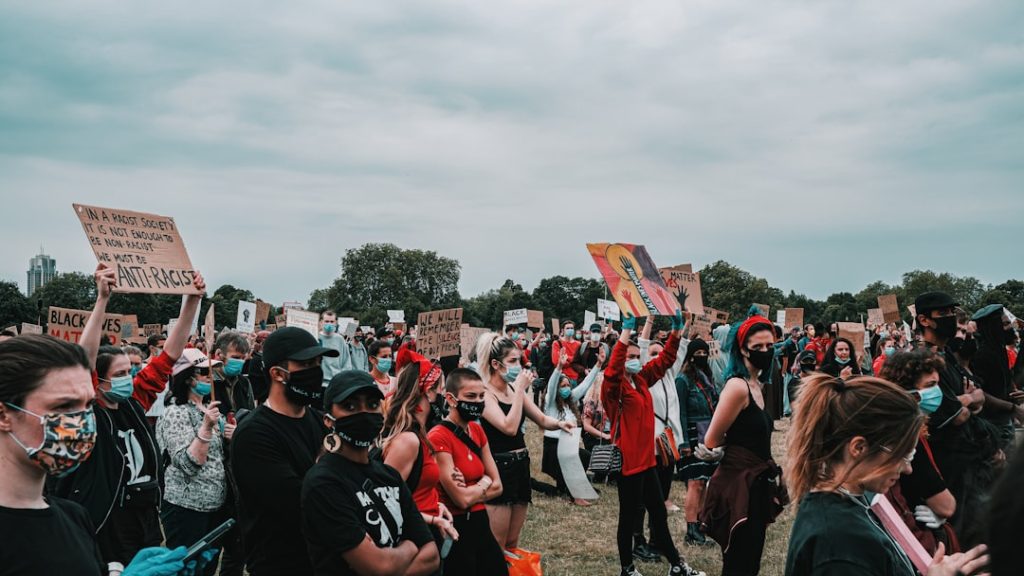
Photo by Samuel Regan-Asante on Unsplash
Stay Connected with Flamr
Don’t forget to follow Flamr on social media!
Relacionado
Discover more from Fyra - Dating App for Progressives
Subscribe to get the latest posts sent to your email.