Why Progressive Community Events Matter (and Why a Dating App Cares)
Progressive community events are about more than politics or policy—they’re about people. They’re where values like equity, consent, mutual aid, and inclusion become real, shared experiences instead of just words on a screen. For a dating app rooted in progressive values, these spaces are also where meaningful connections can grow: friendships, relationships, and networks of care.
Whether you’re newly curious or a long-time organizer, showing up to community events can help you:
- Meet people who share your values and interests
- Learn from lived experiences different from your own
- Build skills (organizing, advocacy, mutual aid, facilitation)
- Feel less isolated and more hopeful
- Turn your beliefs into action—at a scale that feels sustainable
This guide walks through the types of progressive events out there, how to find them, and how to get involved in ways that feel safe, affirming, and sustainable—whether you’re going solo, with a date, or with friends.
Types of Progressive Community Events
Progressive spaces are as diverse as the people who create them. Here are some common types of events and what you can expect from each.
-
Mutual Aid & Community Care
Mutual aid projects focus on people supporting one another directly, outside of traditional institutions. These events can look like:
- Community fridges and free pantries
- Clothing swaps and free stores
- Meal prep for neighbors, unhoused folks, or protestors
- Rideshares to medical appointments, court dates, or polling places
These spaces often emphasize non-hierarchical structures, consent, accessibility, and harm reduction.
-
Workshops, Teach-Ins, and Skill Shares
Learning spaces are a core part of progressive movements. You might find:
- Anti-racism and anti-oppression trainings
- Gender-affirming care info sessions and trans allyship workshops
- Tenant rights education and union organizing trainings
- Digital security and privacy skill shares
These can be in person or online, and they’re often beginner-friendly, with time for questions and discussion.
-
Social & Community-Building Events
Not everything has to be a protest or a training. Community care includes joy, play, and rest. Look for:
- Queer and trans game nights, potlucks, or movie screenings
- Book clubs focused on social justice, abolition, or climate justice
- Craft circles, zine-making meetups, or art builds for campaigns
- Affinity group meetups (e.g., BIPOC-only spaces, queer neurodivergent meetups, disability justice circles)
These events are great for easing into community spaces, especially if you’re shy or new.
-
Protests, Rallies, and Direct Actions
Public demonstrations are one way communities show solidarity and demand change. These can include:
- Marches for racial justice, reproductive justice, or trans rights
- Climate strikes and environmental justice rallies
- Worker picket lines and solidarity actions with unions
- Town halls, public comment sessions, and sit-ins
Not everyone can or wants to attend direct actions, and that’s okay—there are many roles, including behind-the-scenes support, fundraising, childcare, and legal observing.
-
Online Communities & Hybrid Events
Online spaces can be vital for people who are disabled, immunocompromised, rural, closeted, or otherwise unable to attend in person. Examples include:
- Virtual support groups (e.g., queer and trans support, survivors’ circles)
- Online reading groups and discussion circles
- Webinars and livestreamed panels with activists and organizers
- Hybrid events where you can join in person or via video call
These can be just as real and meaningful as in-person spaces, especially when organizers prioritize accessibility and safety.
How to Find Progressive Events Near You (and Online)
You don’t need to already “know people” to get involved. There are many ways to discover events that match your interests, values, and comfort level.
-
Event Platforms
Many organizers use mainstream platforms to list events. Try:
- Meetup – Search for keywords like “mutual aid,” “social justice,” “LGBTQ+,” “climate justice,” “tenant rights,” or “progressive politics.”
- Eventbrite – Filter by “free” events and search for workshops, teach-ins, and rallies in your area.
- Facebook Events – Local organizations often list protests, fundraisers, and community gatherings here.
-
Local Organizations & Coalitions
Many communities have established groups that regularly host events. Look for:
- Local LGBTQ+ centers and queer youth organizations
- Tenant unions and housing justice groups
- Community bail funds and abolitionist collectives
- Reproductive justice organizations and clinic defense groups
- Climate justice and environmental organizations
Most have websites or social media pages with event calendars and mailing lists. Joining their newsletter is an easy way to stay updated.
-
Campus & Library Events
If you’re near a college, university, or community college, check:
- Student organization listings and campus event calendars
- Ethnic studies, gender studies, or social justice center events
- Public lectures, film screenings, and teach-ins
Public libraries also host book clubs, civic engagement workshops, and community forums that often align with progressive values.
-
Social Media & Messaging Apps
Many grassroots groups organize through:
- Instagram and TikTok (check bios for Linktrees and event links)
- Discord servers for mutual aid, fandom-adjacent activism, or local organizing
- Signal or WhatsApp groups for more private coordination (often shared after you attend a public event)
Be mindful of security and your own boundaries when joining group chats—join at your own pace, and leave if it doesn’t feel right.
-
Ask Around (Online or IRL)
If you’re using a progressive dating app, you can also:
- Mention in your profile that you’re looking for people to attend events with
- Ask matches about their favorite local organizations or causes
- Suggest a low-pressure community event as a friend-date or group hang
This can be a safer, slower way to enter new spaces with someone you already know you share values with.
Community Building: Beyond “Showing Up Once”
Community building isn’t about being at every event or burning yourself out for a cause. It’s about building relationships and trust over time, in ways that respect your capacities and boundaries.
Some things that make progressive community building unique:
- Consent and boundaries – Healthy spaces encourage you to say no, step back, or switch roles when needed.
- Intersectionality – The best spaces recognize that struggles are connected: racism, ableism, homophobia, transphobia, classism, and more.
- Accessibility – Many groups work to provide ASL interpreters, sliding-scale or free events, wheelchair-accessible venues, virtual options, and content warnings.
- Transformative justice – Rather than relying on punishment or carceral systems, some communities experiment with conflict resolution, accountability, and healing practices.
Think of community involvement as a long-term relationship rather than a quick fix. You might:
- Start as a participant, then slowly take on small roles (timekeeping, note-taking, bringing snacks)
- Join a committee or working group once you feel grounded
- Share your skills—design, translation, childcare, cooking, tech support, or something else
- Offer feedback and help make spaces more inclusive, especially if you hold privilege
Healthy communities make room for people to arrive, learn, make mistakes, grow, and rest. You don’t have to be “perfect” or “fully educated” to start showing up.
Tips for First-Timers (Online and In Person)
Trying something new can be intimidating, especially if you’re worried about “doing it wrong.” Here are some practical tips to help your first experiences feel safer and more comfortable.
-
Start with low-pressure spaces
If protests feel overwhelming, begin with a social event, a reading group, or an online workshop. You can build up to more intense spaces if and when you’re ready.
-
Go with someone you trust
If it feels safe, invite a friend, partner, or date. Having someone familiar with you can make it easier to navigate new social dynamics and leave if you feel uncomfortable.
-
Check accessibility and safety info ahead of time
Look for details like:
- Is the venue wheelchair accessible? Are there elevators, ramps, or accessible restrooms?
- Will there be masks, air filtration, or outdoor space?
- Are there content warnings or trauma-informed facilitators?
- Is there a code of conduct or community agreements?
If info isn’t listed, it’s okay to email or message organizers with questions.
-
Honor your boundaries
You’re allowed to leave early, sit in the back, keep your camera off in online events, or say, “I’m just here to listen today.” Participation doesn’t have to look the same for everyone.
-
Listen more than you speak (at first)
Especially if you’re new to a space or don’t share the identities of the people most impacted, listening is a powerful way to show respect. You can always ask how you can support after you’ve heard what people actually need.
-
Follow up
If you enjoyed an event, consider:
- Joining the group’s email list or Discord
- Following organizers on social media
- Donating if you’re able, especially to grassroots or mutual aid projects
- Checking in with people you met (“It was nice meeting you—want to grab coffee at the next event?”)
Relationships deepen over time; each small follow-up helps build a sense of belonging.
Turning Shared Values into Shared Lives
Progressive community events are where abstract values—like justice, care, and liberation—become everyday practices. They’re also where relationships can grow beyond the swipe: where you see how someone shows up for others, how they listen, and how they handle conflict and joy.
Whether you’re looking for friends, partners, or just a sense of connection, getting involved in local and online progressive spaces can be a powerful way to align your dating life with your values. Start small, stay curious, and remember that you’re allowed to take up space in movements that want a freer, more caring world—for everyone, including you.
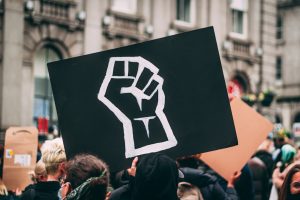
Photo by Phil Hearing on Unsplash
Stay Connected with Flamr
Don’t forget to follow Flamr on social media!
Relacionado
Discover more from Fyra - Dating App for Progressives
Subscribe to get the latest posts sent to your email.