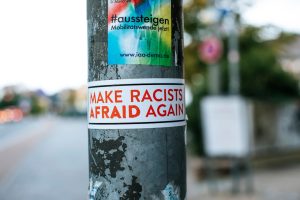

Love, Liberation, and the Long Fight for LGBTQ+ Rights
Dating is never just about two people. It’s shaped by the laws we live under, the communities we’re part of, and the stories we’ve been told about who deserves love, safety, and recognition. For LGBTQ+ people, every swipe, every first date, every “Can I hold your hand in public?” is tied to a much bigger story about power, rights, and liberation.
On a progressive dating app, we’re not just matching individuals—we’re building a culture. That means being honest about how far we’ve come, how far we still have to go, and how each of us has a role in making love safer and freer for everyone.
Where We’ve Been: A History Written in Courage
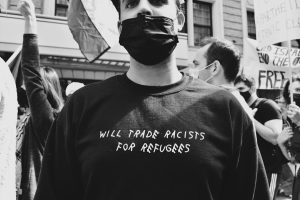
LGBTQ+ rights didn’t appear out of nowhere; they’ve been fought for, resisted, and reimagined over generations. The modern movement is often traced back to the Stonewall uprising in 1969, when queer and trans people—many of them Black and Brown—refused to accept police violence and harassment. But resistance predates Stonewall, from early homophile organizations in the 1950s to gender-nonconforming communities that existed long before Western categories like “gay,” “bi,” or “trans.”
Over the decades, the movement has seen milestone victories:
- Decriminalization of same-sex relationships in many countries
- Anti-discrimination protections in employment, housing, and public life
- Marriage equality in a growing number of places
- Increased visibility of trans, nonbinary, intersex, and asexual communities
But this history is also marked by grief and struggle: the HIV/AIDS crisis and the communities who cared for each other when governments would not; the murders and disappearances of trans women of color; the forced sterilizations and medical abuses inflicted on intersex people; the countless lives lived in secrecy because being out meant losing family, jobs, or safety.
When we talk about LGBTQ+ rights today, we’re standing on the shoulders of people who risked everything for the possibility that future generations could date, love, and exist more freely.
Where We Are: Progress, Backlash, and the Politics of Everyday Love
The current moment is defined by a paradox: unprecedented visibility and rights in some places, and escalating backlash and violence in others. We see rainbow logos and Pride campaigns from corporations, yet queer and trans youth are still being targeted by laws that restrict what they can learn, how they can express themselves, and whether they can access gender-affirming care. We see marriage equality recognized in law, while LGBTQ+ families still struggle with adoption barriers, custody disputes, and healthcare discrimination.
For many, dating is not just about finding a partner; it’s about navigating safety and identity in a world that remains deeply unequal. Some realities that shape LGBTQ+ dating today:
- Legal uncertainty. Rights can be expanded one year and threatened the next. Court decisions, legislative changes, and policy rollbacks can alter basic protections for LGBTQ+ people in housing, employment, and healthcare—and that affects whether someone feels safe bringing a partner home, sharing benefits, or starting a family.
- Unequal safety. LGBTQ+ people of color, trans and nonbinary people, disabled queer folks, migrants, and people with lower incomes face overlapping systems of violence and exclusion. Hate crimes, police harassment, and state surveillance don’t affect everyone equally, and dating apps can be sites of both connection and harm.
- Digital spaces as lifelines—and battlegrounds. For many queer and trans people, especially in rural areas or restrictive environments, digital platforms are the primary way to meet others. But they’re also spaces where harassment, outing, and data misuse can have serious consequences.
- Mental health and belonging. Minority stress, family rejection, and social isolation can make dating feel overwhelming. At the same time, chosen family, queer community, and mutual care networks offer powerful models of love that reach beyond coupledom.
In this landscape, a “simple” date is never just simple. It’s threaded through with questions: Will this person respect my pronouns? Will they understand why I don’t feel safe holding hands in certain neighborhoods? Will they recognize that my experience as a Black trans woman, as a disabled nonbinary person, as a bisexual single parent, shapes what I need from love?
Progressive dating platforms have a responsibility here. They’re not neutral. Design choices—like whether users can share pronouns, select multiple genders and orientations, filter respectfully without fetishizing, or report harassment effectively—send a clear message about whose safety and dignity matter.
What’s Possible: Imagining Dating as a Site of Liberation
When we center LGBTQ+ rights, we’re not just asking for tolerance; we’re imagining dating as a site of liberation. That means rethinking not only who gets to love, but how we love and what we expect from relationships.
Some possibilities already emerging—and growing:
- Beyond binaries. More people are recognizing that gender and sexuality are fluid, not fixed boxes. Dating platforms that allow nuanced self-description—multiple labels, custom fields, and space for evolving identities—create room for people to be honest with themselves and others.
- Normalizing consent and communication. LGBTQ+ communities have long had to talk explicitly about boundaries, safety, and disclosure (around HIV status, gender history, or legal risks). These practices can shape a broader culture of dating that values consent, clarity, and care for all.
- Centering chosen family. Many queer and trans people build networks of care outside traditional couple and nuclear family structures. Dating apps can reflect this by not treating coupledom as the only “success” story—celebrating friendships, community connections, and polyamorous or nontraditional relationships.
- Intersectional solidarity. LGBTQ+ liberation is tied to racial justice, disability rights, migrant justice, economic equity, and more. A truly progressive dating culture recognizes that love doesn’t exist in a vacuum: it’s shaped by housing stability, healthcare access, workplace protections, and public safety.
We can imagine a future where queer and trans youth grow up seeing their identities reflected and respected in school curricula; where trans healthcare is normalized and accessible; where intersex children are allowed bodily autonomy; where nonbinary markers on IDs are standard; where no one loses their job, housing, or custody because of who they are or whom they love.
In that future, dating looks different. Coming out on a first date is less about risk and more about sharing. Holding hands in public isn’t a calculation. Introducing a partner to family, colleagues, or neighbors doesn’t feel like a test of survival. And for those who still face danger, global solidarity and digital tools offer real support—not just symbolic gestures.
Your Role: Building a Culture of Care, One Connection at a Time
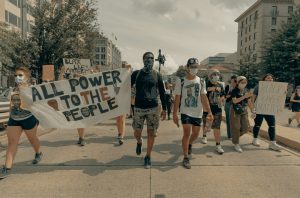
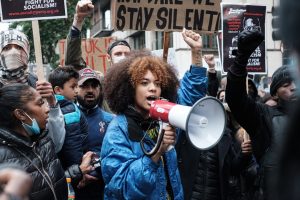
It’s easy to think of LGBTQ+ rights as something that happens in courts, legislatures, or protests. Those spaces matter deeply. But culture also shifts in quieter places: in living rooms, group chats, community centers—and yes, on dating apps.
Every profile you swipe on, every message you send, every boundary you respect or ignore contributes to the kind of dating culture we’re building together. You don’t have to be LGBTQ+ to be part of this work. You just have to be willing to show up with curiosity, humility, and a commitment to dignity for all.
Some ways to reflect and act in your own dating life:
- Examine your filters. Are you swiping based on stereotypes about race, gender, body size, or disability? What assumptions are you making about who is “dateable” or “serious relationship material”?
- Learn, don’t demand. If you’re dating someone whose identity or experience is new to you, take initiative to learn from resources, not just from them. Ask questions respectfully, but don’t treat them as your personal educator.
- Practice pronoun respect. Use the pronouns people share with you. If you make a mistake, correct yourself and move on. Encourage friends and dates to normalize pronoun sharing as a basic part of introductions.
- Challenge harmful “jokes.” If friends or matches make transphobic, homophobic, biphobic, intersexist, or acephobic comments, speak up. Silence is a kind of consent.
- Support policy change. Voting, mutual aid, donations, and showing up for local LGBTQ+ organizations all shape the conditions in which love can flourish. Rights on paper mean more when they’re backed by community power.
Ultimately, LGBTQ+ rights are about more than laws. They’re about the freedom to imagine a life that feels true, to seek connection without fear, and to build relationships rooted in respect and joy. Whether you’re swiping for a soulmate, a situationship, or just a new friend, you’re part of this larger story.
So as you move through your dating life, pause and ask: What kind of world am I helping to create with my choices, my words, and my love? How can I make my corner of the dating universe a little safer, a little kinder, and a little more free—for myself and for others?
Love has always been a force for change. The question is not whether it will shape the future, but how. And that’s something each of us gets to answer, one connection at a time.
Photo by Nathan Cima on Unsplash
Stay Connected with Flamr
Don’t forget to follow Flamr on social media!
Relacionado
Discover more from Fyra - Dating App for Progressives
Subscribe to get the latest posts sent to your email.