
Why Progressive Community Events Matter for Your Love Life (and Beyond)
Progressive dating isn’t just about swiping on people who share your values—it’s about actually living those values together. One of the most powerful ways to do that is by getting involved in community events that center justice, inclusion, and collective care. Whether you’re looking for love, friendship, or a deeper sense of belonging, progressive spaces can be where you meet people who care about the same issues you do.
This guide walks you through the types of progressive events out there, how to find them, why they matter, and how to feel comfortable showing up—especially if it’s your first time.
Types of Progressive Community Events
Progressive community events are diverse, just like the people who attend them. You don’t have to be an activist or an extrovert to participate; there’s something for nearly every interest, schedule, and comfort level.
Some common types of events include:
- Mutual aid and community care projects
Food distribution, clothing swaps, community fridges, ride shares, childcare collectives, and fundraising events for neighbors in need. These spaces often emphasize solidarity, not charity, and are a great way to connect with people who value care work. - Issue-based organizing and advocacy
Campaign meetings, letter-writing nights, phone-banking sessions, canvassing, and teach-ins focused on issues like climate justice, racial equity, trans rights, housing justice, disability justice, reproductive freedom, and more. - Social justice education and workshops
Book clubs, film screenings, panel discussions, and skill-building workshops (e.g., anti-racism trainings, bystander intervention, consent education, restorative justice circles). These events often create space for reflection and conversation—perfect for meeting thoughtful people. - Creative and cultural events
Open mics, zine fests, drag shows, queer art exhibits, poetry nights, cultural festivals, and storytelling events that center marginalized voices. These spaces often feel more relaxed and playful, while still grounded in progressive values. - Wellness, healing, and support spaces
Community yoga, trauma-informed movement classes, support groups for LGBTQ+ folks, survivors, or people with shared identities, as well as meditation circles and grief groups. These can be powerful spaces for authentic connection and emotional safety. - Skill shares and maker spaces
Community gardening, bike repair nights, coding meetups, mutual aid logistics workshops, or DIY repair events. These emphasize collaboration and learning over competition. - Online progressive communities
Virtual town halls, webinars, Discord servers, online book clubs, digital organizing trainings, and livestreamed events. These are especially important for people in rural areas, disabled folks, or anyone who feels safer connecting online.
Think of these events as more than “activism.” They’re places where people practice the kind of world they want to live in—often with snacks, laughter, and new friendships along the way.
How to Find Local Progressive Events
You don’t need a secret handshake to find progressive spaces. Many are hiding in plain sight—you just need to know where to look.
Start with these options:
- Event platforms
Search sites like Meetup, Eventbrite, and Facebook Events using keywords such as “mutual aid,” “social justice,” “LGBTQ+,” “climate action,” “abolition,” “anti-racism,” or “community organizing.” Filter by your city or region to find local gatherings. - Local organizations and community centers
Check the websites and social media pages of:- LGBTQ+ centers and queer collectives
- Community centers and neighborhood associations
- Tenant unions, labor unions, and worker centers
- Student groups and campus organizations
- Faith communities with a clear justice orientation
- Cultural centers and immigrant-led organizations
Many publish event calendars or newsletters you can subscribe to.
- Independent venues and third spaces
Follow local bookstores, co-ops, art spaces, coffee shops, and small music venues. These spots often host progressive book launches, film nights, and community meetings. - Online communities and social media
Look for local hashtags (e.g., #Queer[YourCity], #MutualAid[YourCity]), join city-based subreddits, or search for “[your city] mutual aid” or “[your city] abolitionist collective.” Many groups now coordinate through Discord, Slack, Signal, or other platforms. - Newsletters and community bulletins
Sign up for newsletters from local news outlets, progressive coalitions, and advocacy groups. Many share weekly or monthly lists of upcoming events, both online and in person.
It may take a few tries to find spaces that feel like a good fit. That’s normal. Think of it like dating: you’re exploring, not committing forever.
Why Community Building Matters (Especially If You’re Dating)
Progressive dating is about more than agreeing on politics in your bio. It’s about how you show up—for yourself, your partners, and your communities. Getting involved in progressive events can support that in several ways:
- Shared values move from theory to practice
It’s one thing to say you care about justice; it’s another to show up to a tenants’ meeting, mutual aid shift, or protest. Being in community helps you see how your values translate into action. - Stronger support networks
Community care is a buffer against burnout, isolation, and the pressures of dating. When you’re connected to people who have your back, romantic relationships don’t have to carry every emotional need. - Meeting people beyond the algorithm
Events bring together folks you might never encounter on a dating app—people of different ages, backgrounds, and experiences. Shared projects and conversations can create organic connections that feel less performative and more grounded. - Practicing communication and conflict skills
Organizing and community work require listening, accountability, and navigating conflict—skills that are just as important in relationships. You get practice collaborating, apologizing, and repairing harm. - Belonging and hope
In a world that can feel overwhelming, being in community reminds you that you’re not alone. That sense of shared purpose can make dating feel less like a desperate search and more like one piece of a meaningful life.
Even if you’re not actively looking for a partner, progressive events can help you build a life that feels aligned with who you are—and that’s attractive in itself.
Online vs. In-Person: Finding What Works for You
Not everyone can—or wants to—show up in the same way. Both online and in-person spaces have value, and many communities now use a hybrid model.
Online options can include:
- Virtual workshops and webinars
- Online book clubs and discussion groups
- Discord servers or group chats for local activists
- Livestreamed panels and town halls
- Digital organizing trainings and strategy sessions
These are especially helpful if you:
- Have limited mobility, chronic illness, or disability that makes in-person events tough
- Live in an area with fewer visible progressive spaces
- Feel anxious about walking into a new space alone
- Need flexible options around work, family, or caregiving
In-person events can offer:
- Embodied connection and shared physical space
- Hands-on projects (like gardening, mutual aid distributions, art builds)
- Chance encounters and casual conversations
- A deeper sense of being rooted in a place
Many people blend both: joining an online organizing meeting during the week, then attending an in-person event once or twice a month. The “right” mix is whatever feels sustainable and safe for you.
Tips for First-Timers (You Belong Here)
Showing up to a new space can feel intimidating, especially if you’re worried about “saying the wrong thing” or not knowing enough. That’s okay. Progressive communities need new people, and everyone started somewhere.
Here are some practical tips:
- Start with your comfort level
If a protest feels overwhelming, begin with a book club, film screening, or mutual aid shift. If in-person is too much, begin online. You’re allowed to ease in. - Bring a friend (or a date)
If you’re nervous, invite someone you trust. Some people even suggest a “community date”: instead of grabbing drinks, you go to a workshop, volunteer shift, or cultural event together. - Read the event description and guidelines
Many events include access info, COVID policies, safety protocols, and community agreements. If you’re unsure, it’s okay to email or message organizers with questions, especially about accessibility or safety. - Introduce yourself to a host or organizer
When you arrive (or log on), let someone know you’re new. Many groups have greeters or onboarding volunteers who can help you feel oriented. - Respect boundaries and identities
Use people’s stated names and pronouns, avoid assumptions about gender or relationships, and follow community guidelines. If you make a mistake, apologize briefly, correct yourself, and move on. - Don’t feel pressure to be an expert
You don’t need perfect language or a fully formed political framework to participate. Listen, learn, and ask questions when appropriate. Many spaces are designed for learning, not perfection. - Check in with your capacity
It’s okay to step back, attend less frequently, or switch to lower-commitment roles. Sustainable involvement is more valuable than burning out quickly. - Follow up after
If you meet someone you clicked with—romantically or platonically—ask if they’d like to exchange contact info, connect on social media, or attend another event together. Community building is ongoing.
Most importantly: you deserve to be in spaces where your values and identity are respected. If a particular group doesn’t feel safe or inclusive, you can try another. Progressive community is not a single room; it’s a network of many spaces, and you’re allowed to be selective.
Building the Future Together
Dating in a progressive world isn’t just about finding someone who “gets” your politics; it’s about building a life where those politics are lived out in community. Whether you’re attending an online workshop, volunteering at a mutual aid event, or dancing at a queer art show, you’re participating in something bigger than yourself.
So pick one thing—just one—to explore next. Search a local events platform, follow a community organization, sign up for a newsletter, or RSVP to a gathering that feels interesting and manageable. Bring your curiosity, your care, and your imperfect, evolving self.
Progressive community isn’t waiting for you to become the “right” kind of activist. It’s ready for you exactly as you are—and it might just be where you find the connections, friendships, and relationships you’ve been looking for.
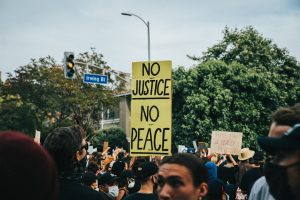
Photo by Adam Winger on Unsplash
Stay Connected with Flamr
Don’t forget to follow Flamr on social media!
Relacionado
Discover more from Fyra - Dating App for Progressives
Subscribe to get the latest posts sent to your email.