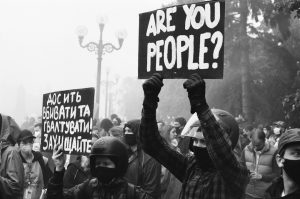
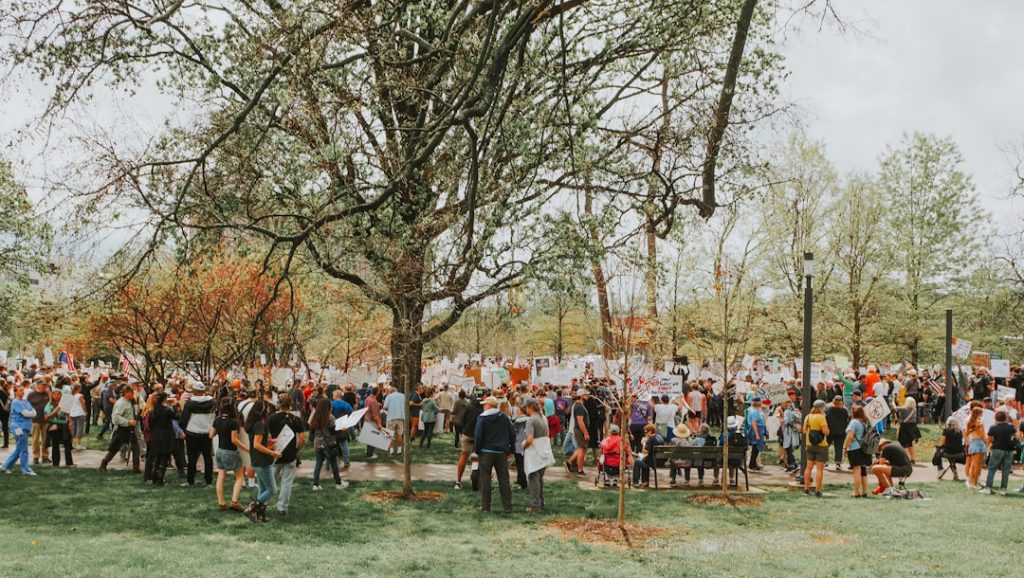
In a world that can feel increasingly divided and overwhelming, progressive community events and grassroots organizing offer something powerful: a sense of belonging, purpose, and collective strength. You don’t have to be a full-time activist to make a difference. Whether you’re an introvert who prefers online work or someone who thrives at marches and meetings, there’s a place for you in this ecosystem of change.
Below is a practical guide to progressive community involvement—covering local activism, community-building, volunteer opportunities, and how to find organizations that align with your values.
—
Why Community-Based Activism Matters
Progressive change rarely happens from the top down. It’s built in neighborhoods, schools, workplaces, and community centers. Local activism:
– Makes issues tangible. National headlines become real when you see how they affect your neighbors.
– Builds lasting relationships. Organizing with others creates support networks that can sustain you through burnout and setbacks.
– Amplifies impact. One person acting alone can do a lot; many people acting together can shift policies, culture, and narratives.
Community work is not just about “helping others”—it’s about recognizing that our lives are intertwined. When we show up for each other, we’re building the kind of world we want to live in.
—
Types of Progressive Community Involvement
Think of involvement as a spectrum. You can move up or down depending on your capacity, energy, and life circumstances. All of it matters.
1. Low-Commitment Ways to Get Involved
These are great entry points if you’re busy, new to activism, or unsure where to start.
Attend a local event or meeting.
– Look for town halls, school board meetings, mutual aid meetups, climate strikes, or social justice rallies.
– Many progressive organizations host open “orientation” sessions or newcomer nights.
Sign up for newsletters and alerts.
– Follow local chapters of groups like:
– ACLU affiliates
– NAACP branches
– Planned Parenthood local organizations
– Sunrise Movement hubs
– Indivisible groups
– Their email lists will keep you updated about events, campaigns, and volunteer needs.
Participate in online campaigns.
– Join digital phone banks or text banks for electoral or issue-based campaigns.
– Use platforms like Action Network, Mobilize, or local organizations’ websites to sign up.
– Engage in coordinated social media actions: sharing petitions, calling representatives, or amplifying local causes.
Support financially (if you can).
– Make small recurring donations to local mutual aid funds, bail funds, or grassroots organizations.
– Even $5–10 a month helps groups plan long-term.
2. Medium-Commitment Engagement
Once you’re comfortable, you might want to deepen your involvement.
Volunteer regularly with a local group.
– Food justice & mutual aid: Community fridges, food pantries, community gardens, meal deliveries.
– Housing justice: Tenants’ unions, eviction defense networks, shelter support, legal aid clinics.
– Environmental & climate justice: Park cleanups, tree planting, climate action coalitions, transit advocacy.
– Racial & gender justice: Anti-racism coalitions, LGBTQ+ centers, reproductive justice organizations.
– Education & youth: Tutoring, mentoring, school board campaigns, after-school programs.
Join a committee or working group.
Many organizations have specific teams, such as:
– Policy research and advocacy
– Communications and social media
– Event planning
– Outreach and canvassing
– Mutual aid or rapid response
This lets you build skills (writing, public speaking, logistics, digital organizing) while contributing to a collective goal.
Show up consistently.
Being a regular presence—even once a month—builds trust and momentum. Consistency is often more valuable than intensity.
3. High-Commitment Leadership and Organizing
If you have time, energy, and interest, you can step into leadership roles.
Organize events.
– Host a teach-in, film screening, or panel discussion on issues like climate justice, police accountability, trans rights, or disability justice.
– Coordinate a neighborhood meeting about local development, public safety, or school policies.
– Create a recurring community space: book clubs, political education groups, or mutual aid days.
Join or start a local campaign.
– Work on issues like rent control, minimum wage increases, police reform, or environmental protections.
– Help plan strategy, canvass neighborhoods, gather signatures, or speak at public hearings.
Run for local positions.
– School board, city council, neighborhood association, union steward, or cooperative board roles can have huge impact.
– Progressive change often begins with who makes decisions about budgets, policies, and priorities.
—
Online vs. Offline: Finding Your Fit
Both online and offline activism are essential and often interconnected.
Online Involvement
What it can look like:
– Participating in Zoom organizing meetings or trainings
– Managing social media, websites, or email lists
– Designing graphics, writing newsletters, or editing videos
– Running digital campaigns (petitions, call-in days, email storms)
– Providing tech support or accessibility assistance (captioning, live transcription, etc.)
Online work is especially valuable for people with limited mobility, caregiving responsibilities, transportation barriers, or social anxiety.
Offline Involvement
What it can look like:
– Door-to-door canvassing and voter registration
– Tabling at farmers’ markets, festivals, or community events
– Attending protests, rallies, and public hearings
– Packing food boxes, delivering supplies, or staffing community centers
– Facilitating in-person support groups or workshops
Offline spaces can deepen relationships and build solidarity across differences. Many people find that face-to-face contact keeps them motivated.
—
Causes and Issues You Might Connect With
Progressive activism is broad. You don’t have to do everything; you can choose what resonates most.
Racial justice and anti-racism
– Support local Black- and Indigenous-led organizations.
– Get involved in campaigns addressing policing, incarceration, and systemic inequality.
Gender justice and LGBTQ+ rights
– Volunteer at LGBTQ+ community centers, trans mutual aid funds, or reproductive justice organizations.
– Advocate for inclusive policies at schools, workplaces, and local governments.
Economic justice and workers’ rights
– Support union drives and worker cooperatives.
– Volunteer with organizations advocating for living wages, paid leave, and fair housing.
Climate and environmental justice
– Join local climate coalitions, youth-led climate groups, or environmental justice organizations.
– Work on campaigns to expand public transit, protect green spaces, or transition to renewable energy—especially in communities most affected by pollution.
Immigrant and refugee rights
– Volunteer with legal aid organizations, community centers, or language support programs.
– Join rapid response networks that show up during raids, detentions, or policy changes.
Disability justice and accessibility
– Work with disability-led groups to advocate for accessible infrastructure, healthcare, and education.
– Help organizations make their events and materials accessible.
You can always start with one cause and expand your involvement as you learn more.
—
How to Find Local Groups and Events
If you’re not already connected, it can be hard to know where to start. Here are practical ways to find progressive organizations near you:
1. Search online with specific keywords.
Try combinations like:
– “mutual aid [your city]”
– “tenant union [your city]”
– “climate justice group [your city]”
– “LGBTQ center [your city]”
– “progressive organization [your city]”
Check websites like:
– Meetup (for political, social justice, or community groups)
– Eventbrite (for rallies, workshops, and local events)
– Mobilize.us (for campaign and advocacy volunteering)
2. Follow local social media accounts.
– Search hashtags like #[yourcity]mutualaid, #[yourcity]protest, #[yourcity]forjustice.
– Follow local journalists, organizers, and community centers—they often share event info.
3. Connect through existing institutions.
– Libraries, community centers, and faith communities often host or share progressive events.
– Universities and colleges have student groups and community partnerships open to non-students.
– Labor unions, professional associations, and neighborhood councils often have social justice committees.
4. Ask people you already know.
– Friends, coworkers, classmates, neighbors, and family may already be involved.
– Simply saying, “I’m looking for ways to get involved locally—do you know any groups?” can open doors.
5. Start small if you can’t find what you’re looking for.
– Host a small discussion group or mutual aid effort with friends or neighbors.
– Use free spaces like libraries, parks, or community rooms.
– Over time, these informal gatherings can grow into more formal organizations.
—
Sustaining Yourself and Your Community
Community work is a marathon, not a sprint. To stay engaged:
– Set realistic boundaries. It’s okay to say no or step back when you’re overwhelmed.
– Share the load. Healthy groups distribute responsibilities and avoid relying on a few people.
– Prioritize accessibility and inclusion. Childcare, transportation support, translation, and disability access make movements stronger.
– Celebrate wins. Recognizing progress—no matter how small—builds resilience.
Remember: you don’t need to be an expert, a perfect person, or a “natural leader” to be part of progressive community work. You just need a willingness to learn, show up, and care about others.
—
Moving From Intention to Action
If you’re ready to begin, choose one concrete step you can take in the next week:
– Look up one local organization and sign up for their newsletter.
– Attend a single event or meeting—even if you just listen.
– Volunteer for one shift at a mutual aid project or phone bank.
– Join an online training or webinar on an issue you care about.
– Invite a friend to explore a new group with you.
Progressive change is built by ordinary people making small, consistent choices to support each other and challenge injustice. When we act together—online and offline, in small groups and large coalitions—we create the conditions for a more just, compassionate world.
Your community is out there, and it needs what you have to offer.
Photo by Barbara Burgess on Unsplash
Relacionado
Discover more from Fyra - Dating App for Progressives
Subscribe to get the latest posts sent to your email.