In a moment when so many of us feel overwhelmed by headlines and crises, one of the most powerful things we can do is zoom in—to our blocks, neighborhoods, and cities—and ask: “How can we show up for each other here?”
Progressive community events and organizations offer exactly that: practical, local ways to turn values into action. Whether you have five minutes a week or five hours, whether you’re energized by climate justice, racial equity, housing, LGBTQ+ rights, workers’ rights, or democracy itself, there’s a way to plug in.
Below is a guide to understanding the landscape, finding local groups, and choosing involvement that fits your life—and grows your community.
—
Why Local Progressive Organizing Matters
National politics gets most of the attention, but local action often has the most tangible impact:
– City councils decide zoning, policing priorities, and public transit.
– School boards shape curriculum, equity policies, and funding.
– County commissions oversee public health, jails, and social services.
Progressive activism at the local level is about building communities that are more just, sustainable, and democratic. It’s also about collective resilience: knowing your neighbors, sharing resources, and having structures in place when crises hit.
When you get involved locally, you’re not just “helping a cause.” You’re building relationships and power—so communities can advocate for themselves over the long term.
—
Types of Progressive Community Events and Spaces
If you’re new to local activism, the variety of events can feel overwhelming. Here’s a quick map of what you might encounter:
1. Educational and Discussion Spaces
These help you learn, reflect, and connect with others:
– Teach-ins and workshops on topics like climate justice, abolition, mutual aid, tenants’ rights, or digital security.
– Reading groups or political education circles hosted by organizations or informal collectives.
– Film screenings and panel discussions on progressive issues, often followed by Q&A or action planning.
These are great low-pressure entry points. You can attend, listen, ask questions, and decide how much more you want to engage.
2. Direct Service and Mutual Aid
Mutual aid and service projects meet immediate needs while building solidarity:
– Community fridges and pantries that provide free food and essentials.
– Neighborhood mutual aid networks that coordinate grocery deliveries, childcare swaps, rent support, or rides to appointments.
– Volunteer days at shelters, food banks, community gardens, or harm reduction programs.
These spaces often attract people with a wide range of politics, but many are grounded in progressive values: dignity, care, and community control.
3. Advocacy, Campaigns, and Policy Work
If you’re drawn to systemic change, look for:
– Campaign launches and strategy meetings for issues like police accountability, housing justice, climate policy, or voting rights.
– Public hearings and council meetings where organizers mobilize community testimony.
– Canvassing and phone banking for candidates, ballot initiatives, or issue campaigns.
These efforts are about building power—changing laws, shifting budgets, and challenging unjust structures.
4. Creative and Cultural Events
Culture is a powerful organizing tool:
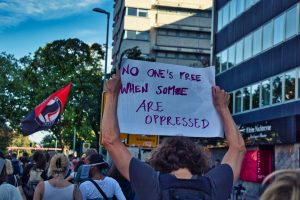
– Art builds for protests (banner-making, screen-printing, sign-painting).
– Open mics, spoken word, and storytelling nights centered on marginalized voices.
– Community festivals and block parties hosted by progressive groups.
These spaces can feel joyful and welcoming, especially if traditional political meetings feel intimidating.
—
Ways to Get Involved: From Low to High Commitment
You don’t have to rearrange your entire life to start participating. Think in terms of layers: what can you do now, and what might you grow into?
Low-Commitment, High-Impact Actions
These are ideal if your schedule is tight or you’re just exploring:
– Subscribe and follow
Sign up for newsletters from local organizations. Follow them on social media to see upcoming events, calls to action, and educational content.
– Attend one event per month
Pick something manageable: a teach-in, a mutual aid distribution, a town hall, or a film screening. Commit to showing up.
– Participate in online actions
Use email and phone scripts from advocacy groups to contact your representatives. Join digital campaigns around key votes or issues.
– Donate strategically
Even small recurring donations to local grassroots groups can be powerful. Look for organizations led by the communities most affected by the issues they work on.
Medium-Commitment Involvement
When you’re ready to deepen your engagement:
– Join a working group or committee
Many organizations have teams focused on specific issues (e.g., environmental justice, housing, education). These groups often meet monthly and plan campaigns.
– Volunteer regularly
Take a weekly or biweekly shift at a food pantry, hotline, community garden, or mutual aid project. Consistency helps build relationships and trust.
– Help with communications
If you have skills in writing, design, video, or social media, offer to support outreach, newsletters, or educational materials.
High-Commitment Leadership and Organizing
If you have more time and energy, or you’re ready for a bigger role:
– Organize your own events
Host a neighborhood meeting, house party, or teach-in in collaboration with a local group. Bring people together around a specific issue.
– Join an organizing collective or progressive organization
Groups like local Democratic Socialists of America chapters, Black-led grassroots organizations, immigrant rights coalitions, or environmental justice networks often welcome new members into leadership tracks.
– Run for local office or boards
Consider school board, tenant association leadership, union committees, or city advisory boards. Progressive organizations often provide training and support.
—
Different Causes, Many Entry Points
Progressive movements are interconnected, but you can start with what resonates most. A few common areas:
Racial and Economic Justice
Look for:
– Organizations working on police accountability, abolition, and community safety alternatives.
– Groups focused on workers’ rights, labor organizing, and union support.
– Anti-racism coalitions and Black-, Indigenous-, and people-of-color-led community organizations.
Get involved by attending rallies, supporting bail funds, joining court support teams, or helping with political education.
Housing and Tenants’ Rights
Housing is a core progressive issue:
– Tenants’ unions and housing justice coalitions fight evictions, rent hikes, and displacement.
– Homeless advocacy groups push for services, shelter, and housing-first policies.
Help by joining tenant organizing meetings, participating in eviction defense, or supporting campaigns for rent control and affordable housing.
Climate and Environmental Justice
Beyond mainstream environmentalism, environmental justice centers frontline communities:
– Local climate justice groups working on transit, air quality, and green jobs.
– Community organizations fighting toxic facilities in low-income and marginalized neighborhoods.
You can join campaign meetings, support climate strikes, help with community science projects, or push your city for stronger climate policies.
LGBTQ+ and Gender Justice
Look for:
– LGBTQ+ community centers and trans-led organizations.
– Reproductive justice groups that connect abortion access to broader bodily autonomy and economic justice.
Participate by volunteering at community events, supporting legal funds, and advocating for inclusive policies in schools and workplaces.
Democracy and Voting Rights
Democracy work underpins all other causes:
– Voting rights and civic engagement organizations that focus on registration, turnout, and fighting voter suppression.
– Local democracy coalitions that push for fair maps, language access, and inclusive representation.
You can help with voter registration drives, poll monitoring, and outreach to communities historically excluded from the political process.
—
How to Actually Find Local Groups
If you’re ready to plug in but don’t know where to start, try:
1. Search by issue + city
Use phrases like “housing justice [your city],” “mutual aid [your city],” “climate justice [your city],” “LGBTQ center [your city].”
2. Check social media platforms
Many grassroots groups organize primarily via Instagram, TikTok, Facebook, and Twitter/X. Look for hashtags like #[YourCity]MutualAid, #[YourCity]Justice, or #[YourCity]Abolition.
3. Visit community hubs
Libraries, community centers, student unions, and independent bookstores often host progressive events and have bulletin boards with flyers.
4. Ask at existing spaces
If you attend a protest, teach-in, or community event, introduce yourself to organizers afterward. Say you’d like to get more involved and ask about next meetings or volunteer needs.
5. Explore coalitions
Many cities have coalitions (e.g., “Justice for [City] Coalition,” “People’s Budget [City]”) that bring together multiple groups. Joining one can connect you to a wider network.
6. Check national organizations with local chapters
Examples include:
– Democratic Socialists of America (DSA)
– Sunrise Movement (climate)
– Showing Up for Racial Justice (SURJ)
– Planned Parenthood and local reproductive justice groups
– ACLU state chapters
These often list local chapters or partner organizations on their websites.
—
Making Your Involvement Sustainable
Progressive work is a marathon, not a sprint. A few tips:
– Start small and be consistent
It’s better to commit to one hour a week than to burn out after a month of over-commitment.
– Be humble and listen
Follow the leadership of those most impacted by the issues. Be open to learning and feedback.
– Bring your skills—and your questions
You don’t need to be an expert. Organizing needs all kinds of skills: logistics, art, tech, childcare, cooking, translation, and more.
– Build relationships, not just résumés
The strongest movements are anchored in real connections. Take time to know the people you’re organizing with.
—
Collective Action, Collective Hope
In 2026, it’s easy to feel isolated—scrolling through bad news and wondering what difference one person can make. The truth is that none of us can fix everything alone. But together, in our neighborhoods and cities, we can transform a lot.
Progressive community events and organizations are invitations: to show up, to learn, to care, to act. You don’t have to know exactly where you fit yet. Start where you are. Attend one event. Join one mutual aid project. Sign up for one campaign. Meet a few people.
From there, community grows. And with community, collective action becomes not just possible, but inevitable.
Photo by Ismael Paramo on Unsplash
Relacionado
Discover more from Fyra - Dating App for Progressives
Subscribe to get the latest posts sent to your email.