Love, Liberation, and the Long Road: Dating in an Era of LGBTQ+ Rights
When we talk about dating, we usually talk about chemistry, timing, and the mysterious math of two people choosing each other. But in 2026, we’re also dating inside a much bigger story—one shaped by laws, movements, and the ongoing struggle for LGBTQ+ rights. Who we’re allowed to love openly, how we show up as our full selves, and whether we feel safe going on a first date in our own city are all deeply political questions, even when they’re wrapped in something as personal as romance.
On a progressive dating app, we don’t just match people; we help build a culture. And that culture exists in a world where queer and trans people are still fighting to live freely and safely. So this isn’t just a story about policy or protest; it’s also about how we show up for each other in our intimate lives. It’s about how love can be both a sanctuary and a site of resistance.
From Criminalization to Visibility: How We Got Here
To understand where we are now, it helps to remember how quickly—and unevenly—the landscape has shifted. Within living memory, same-sex relationships were criminalized in many countries. In the United States, sodomy laws were still on the books in several states until the early 2000s. Trans identities were pathologized, queer love was invisible or mocked in mainstream media, and many people lived double lives: one for survival, one for truth.
In the late 20th century, the LGBTQ+ rights movement gained public visibility, often in response to crisis. The Stonewall uprising in 1969 wasn’t the first act of resistance, but it became a symbol of collective refusal: queer and trans people, especially Black and brown trans women, saying “no more” to criminalization and police violence. The HIV/AIDS epidemic in the 1980s and 1990s exposed both the cruelty of governmental neglect and the fierce power of community care.
By the early 21st century, legal and cultural milestones began to accumulate: marriage equality in many countries, anti-discrimination protections in workplaces and schools, and an explosion of queer and trans representation in media. Dating apps played a role, too, making it easier for LGBTQ+ people to find each other, especially in places where being out was dangerous or isolating.
But this progress has never been evenly distributed. A white cis gay man in a major city and a Black trans woman in a rural town have never had the same access to safety, rights, or visibility. Historical wins coexisted with ongoing violence, poverty, and exclusion—reminding us that “LGBTQ+ rights” is not a single issue, but a web of struggles shaped by race, class, disability, immigration status, and geography.
The Crossroads We’re In: Progress and Backlash
In 2026, we’re living in a paradox. On one hand, there’s more visibility, language, and community than ever before:
- More young people identify as LGBTQ+, and many are coming out earlier in life.
- Trans and nonbinary identities are more widely recognized, with growing conversations about pronouns, gender-affirming care, and inclusive policies.
- Media representation has expanded beyond stereotypes: queer and trans characters are leads, not just sidekicks; stories center joy, not only trauma.
- Many cities and countries have passed protections against discrimination in housing, employment, and public accommodations.
At the same time, a sharp backlash has emerged. Around the world, we see:
- Legislation targeting trans people’s access to healthcare, sports, bathrooms, and legal recognition.
- Book bans and curriculum restrictions that erase LGBTQ+ experiences from classrooms.
- Escalating rhetoric that frames queer and trans existence as a “threat,” fueling harassment and violence.
- Uneven protections: some regions expand rights while others move to criminalize or erase LGBTQ+ lives altogether.
This backlash is not random; it’s a reaction to progress. When marginalized people gain visibility and power, systems built on hierarchy push back. For many LGBTQ+ folks, particularly trans people and queer people of color, this means living in a constant tension: more language, more community, more possibility—and also more scrutiny, more danger, more uncertainty.
All of this shapes dating. It affects whether someone feels safe putting their real name or photo on a profile, whether they can be out at work and in their relationships, whether they can bring a partner home, and whether a simple date night might invite harassment. It influences how we disclose our identities, how we navigate safety, and how we imagine our futures.
Dating as Liberation: Building Queer-Affirming Culture
So what does it mean to date progressively in this landscape? It means understanding that love and liberation are intertwined. The choices we make—who we affirm, whose safety we prioritize, whose stories we center—can either reinforce or challenge the status quo.
On a practical level, this looks like:
- Honoring self-determination. Respecting people’s names, pronouns, and identities without interrogation. Trusting that people are the experts on their own gender and sexuality.
- Challenging narrow “preferences.” Many so-called “preferences” mirror societal biases: racism, transphobia, fatphobia, ableism. Reflecting on where our attractions come from—and who we automatically exclude—can be an act of unlearning.
- Centering consent and safety. For LGBTQ+ folks, especially those who are visibly gender-nonconforming or trans, safety is not abstract. Being transparent about intentions, meeting in safe public places, and respecting boundaries are fundamental.
- Creating space for nuance. Not everyone is out in every context. Some people are navigating family, immigration, or workplace risks. Holding space for different levels of disclosure and comfort is part of solidarity.
- Practicing intersectional solidarity. Recognizing that LGBTQ+ rights are inseparable from racial justice, disability rights, reproductive justice, economic equality, and more. Someone’s experience of queerness is shaped by all the other identities they carry.
Dating can be a site of healing, too. For many LGBTQ+ people, especially those who grew up in hostile environments, being seen and loved as they are is profoundly political. The first time someone uses the right pronouns without hesitation, or doesn’t flinch when you share your identity, or celebrates your full self instead of tolerating it—that’s not just romantic; it’s liberatory.
When we build relationships that affirm each other’s humanity, we chip away at the narratives that say some lives are less worthy, less real, or less deserving of love. Every time a couple walks down the street hand-in-hand in a place where that was once impossible, it sends a quiet message: we are here, and we are not going back.
Imagining the Future: Beyond Tolerance, Toward Transformation
It’s not enough to aim for tolerance, or even inclusion, if the underlying structures stay the same. A truly liberatory future for LGBTQ+ people—and for everyone—requires deeper transformation.
Imagine a world where:
- Gender-affirming healthcare is accessible, affordable, and normalized, not treated as controversial.
- Housing, employment, and education are not precarious for queer and trans people because basic economic justice is guaranteed.
- Schools teach expansive understandings of gender and sexuality, offering young people language and community instead of shame.
- Immigration systems recognize and protect LGBTQ+ people fleeing persecution, rather than trapping them in bureaucratic limbo.
- Media doesn’t just include queer and trans characters, but centers their perspectives, complexity, and joy.
- Safety doesn’t depend on policing and punishment, but on community investment, mutual aid, and care.
In that world, dating would look different, too. People wouldn’t have to choose between safety and authenticity. Coming out wouldn’t be a singular event but an integrated part of growing up. Queer and trans love wouldn’t be treated as a political statement; it would simply be another way humans care for each other—no more remarkable than it is now, and yet still cherished.
We’re not there yet. But every policy fight, every mutual aid network, every queer youth group, every trans-led organization, every supportive family, and every affirming relationship brings us closer. The future isn’t inevitable; it’s built, slowly and imperfectly, by people who refuse to accept that this is as good as it gets.
How We Show Up: A Call to Reflection and Action
If you’re reading this on a dating app blog, you’re already in a space where personal and political lives intersect. The question is: how do you want to show up?
Some places to start:
- Reflect on your own story. How have gender, sexuality, and identity shaped your experiences of love and dating? What messages did you absorb growing up? Which ones are you still unlearning?
- Examine your patterns. Who do you swipe right on? Who do you pass over without a second thought? What assumptions do you make about people based on their photos, pronouns, or labels?
- Practice everyday solidarity. Use people’s correct pronouns. Challenge homophobic or transphobic comments in your circles. Support LGBTQ+-owned businesses and creators. Donate to local queer and trans organizations if you’re able.
- Vote and advocate. Support candidates and policies that protect LGBTQ+ rights, especially trans rights, and that advance racial and economic justice. Show up to school board meetings, city councils, and community forums where these issues are decided.
- Choose love as a practice, not just a feeling. Love, in this context, is not only romantic. It’s the daily choice to recognize others’ humanity, to listen, to be accountable, and to stand alongside people whose liberation is tied to your own.
Dating in 2026 means navigating a world in flux, where rights can expand and contract, where visibility can bring both safety and risk. It also means having the chance to participate in something bigger than ourselves: a collective reimagining of what it means to live, love, and belong.
So as you craft your profile, send that first message, or show up for a date, consider this: What would it look like to treat your romantic life as part of a broader commitment to justice and care? How might your next connection—whether it lasts a night or a lifetime—be one small step toward a world where every LGBTQ+ person can love openly, safely, and joyfully?
The future of queer and trans liberation isn’t abstract. It’s being written in laws and protests, yes—but also in living rooms, group chats, and first dates. You’re part of that story. How do you want it to read?
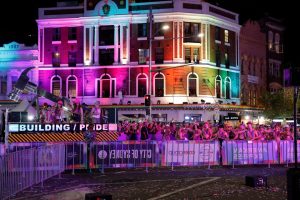
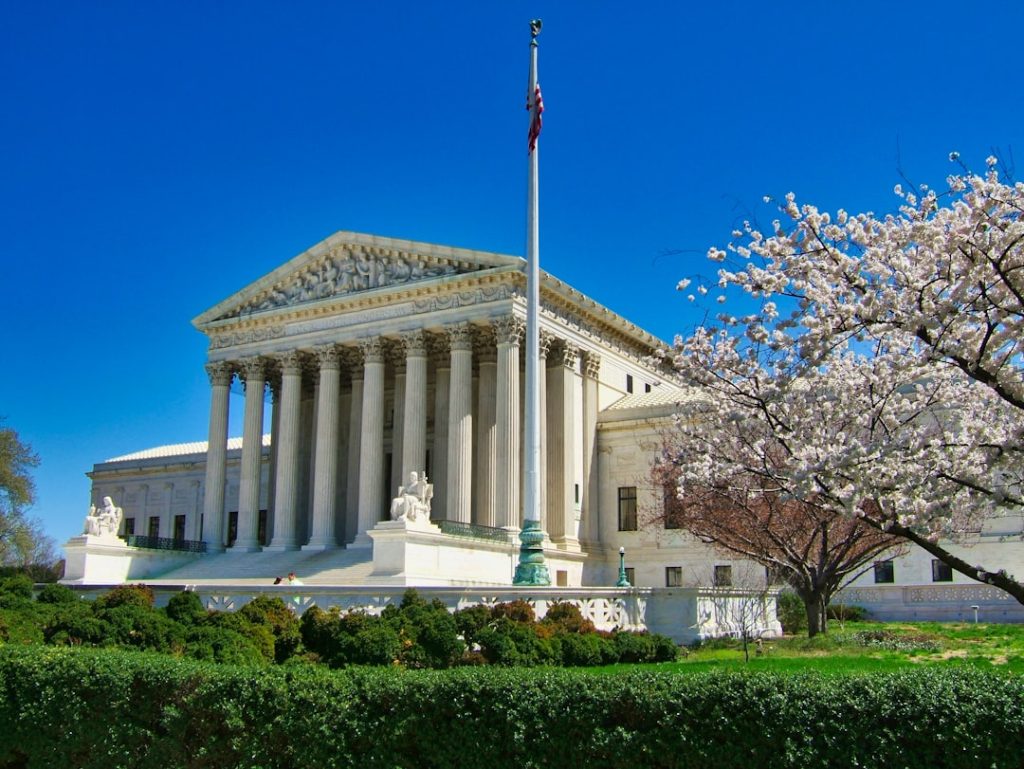
Photo by Christopher Ryan on Unsplash
Stay Connected with Flamr
Don’t forget to follow Flamr on social media!
Relacionado
Discover more from Fyra - Dating App for Progressives
Subscribe to get the latest posts sent to your email.