Why Progressive Community Events Matter for Your Love Life (and Beyond)
Progressive dating isn’t just about swiping on people who share your values; it’s about actually living those values together. Community events—both online and in person—give you a chance to meet people who care about justice, sustainability, and inclusion as much as you do. They’re also a powerful antidote to isolation, burnout, and doomscrolling.
Whether you’re looking for romance, friendship, or simply a sense of belonging, progressive community spaces can become the backdrop where meaningful connections form. Think of them as real-world “filters” that help you meet people who already share key parts of your worldview—no awkward “so… how do you feel about basic human rights?” conversations required.
Types of Progressive Community Events to Explore
Progressive events come in many shapes and sizes. You don’t have to be a seasoned organizer or a super extrovert to participate; there’s something for every comfort level and interest.
-
Issue-Based Workshops & Teach-Ins
These events focus on topics like racial justice, LGBTQ+ rights, reproductive justice, disability justice, climate action, or labor organizing. They’re often hosted by nonprofits, mutual aid groups, student organizations, or local coalitions.
Expect: short talks, Q&A, breakout discussions, sometimes skill-building (like how to talk to your city council or how to facilitate a meeting).
-
Mutual Aid & Volunteer Events
Mutual aid projects and volunteer opportunities are a great way to meet people while doing something tangible. Think community fridges, clothing swaps, food distribution, court support, or rideshares for protests and appointments.
Expect: hands-on tasks, teamwork, and often a sense of immediate impact. These spaces frequently emphasize non-hierarchical structures and community care.
-
Social & Cultural Gatherings
Progressive communities don’t just organize; they celebrate. Look for queer dance nights, feminist book clubs, anti-racist film screenings, poetry slams, drag shows, open mics, and arts festivals centering marginalized creators.
Expect: a more relaxed vibe, opportunities to mingle, and shared cultural references. These can be especially great for dating because they create organic conversation starters.
-
Skill-Sharing & Creative Spaces
From zine-making workshops to feminist self-defense classes, these events mix learning with community building. Many are explicitly inclusive of queer, trans, disabled, and BIPOC participants and prioritize accessibility.
Expect: collaborative, hands-on activities where you can chat while doing something creative or practical.
-
Direct Action & Civic Engagement
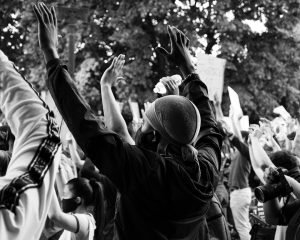
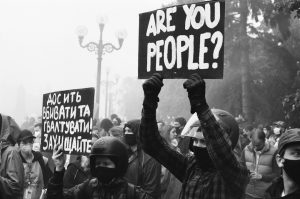
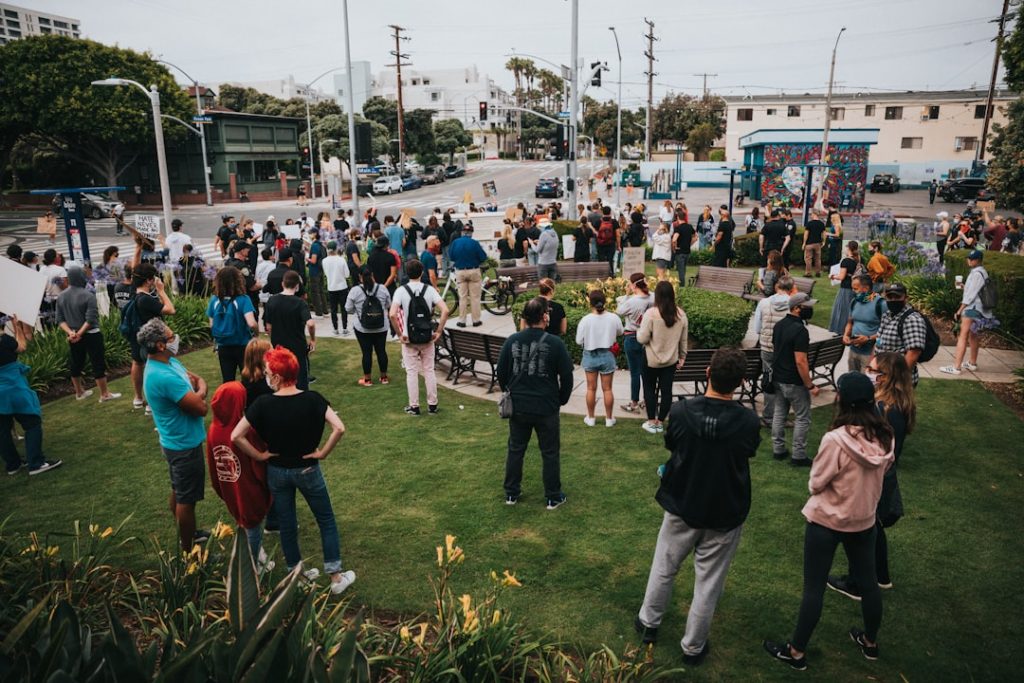
Protests, canvassing, phone banking, voter registration drives, and local policy campaigns are where values turn into action. They’re not “dating events,” but they can be powerful spaces to connect with people who are deeply committed to change.
Expect: a mix of adrenaline and logistics, plus a strong sense of solidarity. If you’re new, look for “know your rights” trainings or “protest 101” workshops first.
-
Online Community Spaces & Events
Virtual events make participation more accessible for people with disabilities, caregiving responsibilities, transportation barriers, or social anxiety. These can be anything from online reading groups and political education series to digital organizing meetings and game nights.
Expect: video calls, chat-based discussions, and sometimes asynchronous participation (like Discord servers or group chats). Many progressive orgs now run hybrid events so you can join from wherever you are.
How to Find Local (and Online) Progressive Events
You don’t need insider connections to find progressive spaces; you just need to know where to look. Start with a mix of general event platforms and hyper-local resources.
-
Event Platforms
- Meetup: Search for groups using keywords like “social justice,” “mutual aid,” “LGBTQ+,” “feminist,” “climate action,” “abolitionist,” or “anti-racist.” Many cities have multiple progressive meetups that host recurring events.
- Eventbrite: Filter by your city and interests (e.g., “community organizing,” “gender justice,” “racial equity”). You’ll find workshops, panels, fundraisers, and cultural events.
-
Local Organizations & Community Centers
- Check websites and social media for local nonprofits, grassroots groups, and coalitions focused on issues you care about.
- Look up community centers, LGBTQ+ centers, cultural centers, and independent bookstores; they often host progressive events or maintain community calendars.
- University or college event calendars can be open to the public and often include lectures, teach-ins, and student-led initiatives.
-
Social Media & Newsletters
- Follow local organizers, journalists, and community groups on platforms like Instagram, TikTok, Bluesky, or Mastodon. Many announce events via stories or threads.
- Sign up for email newsletters from organizations you care about; they often send monthly or weekly event roundups.
- Search hashtags combining your city and interests (e.g., #CityNameMutualAid, #CityNamePride, #CityNameClimate).
-
Digital Community Spaces
- Look for Discord servers or Slack spaces connected to movements you care about; many host regular virtual events or “office hours.”
- Join online reading groups or political education series hosted by national orgs; they often include breakout rooms by region.
Remember: you don’t have to commit to everything at once. Start by bookmarking a few events that genuinely interest you and fit your energy level.
The Power of Community Building (for You and Your Relationships)
Community building is more than a buzzword; it’s a survival strategy and a joy practice. For people who hold marginalized identities, progressive spaces can be a rare chance to feel fully seen and safe. For everyone, they’re a way to push back against isolation and individualism.
From a dating perspective, community involvement changes the game:
- Shared values are front and center: Meeting through organizing or mutual aid means you already know something important about each other: you care about more than just yourselves.
- Less pressure, more context: In a community setting, you’re not just evaluating each other as potential partners; you’re collaborating, learning, and building trust over time.
- Support networks, not just couples: Progressive spaces emphasize chosen family and collective care. Even if a romantic connection doesn’t form, you may gain friendships, mentors, or collaborators.
- Growth and accountability: Being in community means being open to learning, unlearning, and being called in. That’s crucial for healthy relationships, where repair and accountability matter.
Community building is also about sustainable activism. It’s easier to stay engaged when you’re not doing it alone, and when your political life includes joy, art, rest, and connection—not just crisis response.
Tips for First-Timers (and the Community-Curious)
If you’re new to progressive spaces, it’s normal to feel nervous. You might worry about saying the wrong thing, not knowing enough, or feeling out of place. Here are some practical ways to ease in—whether you’re joining online or in person.
-
Start with Your Comfort Level
If big crowds feel overwhelming, try smaller gatherings like book clubs, discussion circles, or online workshops. If you’d rather “do” than talk, look for volunteer shifts or mutual aid tasks.
-
Read the Event Description Carefully
Most organizers include details about audience (e.g., “open to everyone,” “BIPOC-only,” “for trans and nonbinary folks”), accessibility (e.g., wheelchair access, ASL interpretation, captions), and expectations. Respect any affinity-space boundaries; they exist for a reason.
-
Arrive (or Log On) a Little Early
Showing up a few minutes early gives you time to check in, ask questions, and settle in. Online, it lets you test your audio/video and read any chat guidelines. In person, you can introduce yourself to the host or facilitator.
-
Introduce Yourself at Your Pace
You don’t have to share your entire life story. A simple “Hi, I’m [Name], this is my first time here” is enough. Many spaces will have icebreakers or small group discussions to help people connect without forced oversharing.
-
Respect Boundaries & Pronouns
Listen for how people introduce themselves, including names and pronouns, and follow their lead. If you’re unsure, use gender-neutral language until someone shares their pronouns. Avoid pressuring anyone to disclose identities or experiences.
-
Ask How You Can Help
Instead of assuming what’s needed, ask organizers: “Is there a small task I can help with?” That might mean setting up chairs, moderating the chat, or sharing event info. Start small and let trust build over time.
-
Follow Up Afterward
If you met someone you’d like to see again—romantically or platonically—respectfully ask if they’d like to connect on social media or exchange numbers. You can say something like: “I enjoyed our conversation about [topic]. Would you be open to staying in touch?”
-
Give Yourself Permission to Take Breaks
Progressive spaces should center care, not martyrdom. If you’re feeling overwhelmed, it’s okay to step outside, turn off your camera, or skip the next event. Sustainable involvement is better than burning out in a month.
Blending Dating, Community, and Care
Dating within progressive communities comes with its own dynamics. You’re navigating overlapping circles, shared commitments, and sometimes power imbalances (like dating someone who’s a more experienced organizer). A few grounding principles can help:
- Lead with consent and clarity: If you’re interested in someone you met through an event, be honest and gentle. Make space for them to say no without consequences for their standing in the community.
- Respect the space: Community events aren’t bars or clubs; they’re often focused on shared goals. Flirting is fine when it’s mutual and respectful, but avoid making the event feel like a pickup scene.
- Stay accountable: If a relationship doesn’t work out, prioritize harm reduction. Avoid gossip, and be willing to take responsibility if you cause harm. Healthy communities handle conflict with care, not exile.
Ultimately, progressive community events are about building the kind of world you want to live—and love—in. They’re places where you can practice mutual aid, learn new skills, and find people who believe that everyone deserves dignity, safety, and joy.
Whether you’re attending a virtual reading group, joining a local mutual aid network, or dancing at a queer fundraiser, you’re not just “going to an event.” You’re stepping into a web of relationships that can support you, challenge you, and maybe even introduce you to your next great love story.
So pick one event, RSVP, and show up as you are. Your future community—and maybe your future partner—might be waiting in that room, on that call, or in that group chat.
Photo by Nathan Dumlao on Unsplash
Stay Connected with Flamr
Don’t forget to follow Flamr on social media!
Relacionado
Descubre más desde Fyra - Dating App for Progressives
Suscríbete y recibe las últimas entradas en tu correo electrónico.