Why Progressive Community Events Matter for Your Life (and Love Life)
Progressive community spaces are about more than politics—they’re about connection. If you care about social justice, climate action, LGBTQ+ rights, racial equity, disability justice, reproductive freedom, or mutual aid, getting involved locally can transform how you feel about your community—and yourself. It can also be a surprisingly great way to meet people who share your values, whether you’re looking for friendship, romance, or just a sense of belonging.
From neighborhood mutual aid groups to online organizing spaces, progressive communities are building the world they want to see, one event at a time. If you’re curious about getting involved but not sure where to start, this guide breaks down the types of events you’ll find, how to discover them, and how to navigate them—especially if you’re new or introverted.
Types of Progressive Community Events You Might Love
Progressive communities are diverse, and so are their events. You don’t have to be a seasoned activist to show up—there truly is something for every comfort level, schedule, and personality.
-
Educational events & teach-ins
These are spaces to learn about issues like racial justice, gender identity, climate policy, housing rights, prison abolition, disability justice, and more. They might be:
- Workshops hosted by local nonprofits or campus organizations
- Book clubs focused on social justice authors
- Panel discussions with organizers, scholars, or community leaders
Educational events are great if you’re just starting out, or if you want to deepen your understanding before jumping into direct action.
-
Mutual aid & community care
Mutual aid is about neighbors supporting neighbors—no strings attached. These events often feel like the heart of progressive community work:
- Food distribution or free community fridges
- Clothing swaps and free stores
- Ride shares to clinics or appointments
- Community childcare circles
These spaces can be especially welcoming for people who may not feel comfortable in formal political settings but still want to show up for others.
-
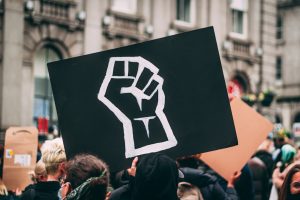
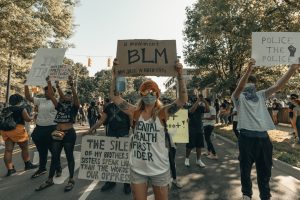
Protests, marches, and direct action
These are more visible forms of engagement: rallies, marches, sit-ins, picket lines, and other actions. They can be powerful, energizing, and emotional. Many progressive groups now emphasize:
- Accessibility (ASL interpretation, wheelchair-friendly routes)
- Safety teams and legal observers
- Clear communication about risk levels and expectations
If you’re new, you can often join as a supporter, sign-maker, or social media amplifier without placing yourself on the front lines.
-
Social and creative events with a purpose
Not everything has to be a meeting. Many progressive communities organize:
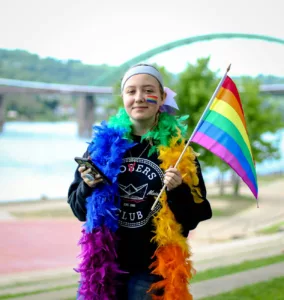
- Queer dance nights and sober social events
- Art builds for protests (banner painting, sign-making)
- Poetry readings, open mics, and zine-making workshops
- Community gardening days and park clean-ups
These are low-pressure spaces to meet people, flirt a little if that’s your vibe, or just enjoy being around folks who share your values.
-
Organizing meetings & strategy sessions
These are the behind-the-scenes spaces where campaigns and projects are planned. They might be:
- Local chapter meetings (e.g., climate groups, tenants’ unions)
- Working groups focused on specific issues
- Online strategy calls for national or regional campaigns
These are ideal if you’re ready to commit more deeply and want to build long-term relationships with other organizers.
How to Find Progressive Events Near You (and Online)
Finding progressive community events is easier than it used to be, but you might need to try a few channels before you strike gold. Here are some reliable starting points:
-
Event platforms
- Meetup: Search terms like “social justice,” “LGBTQ+,” “climate action,” “feminist,” “mutual aid,” or “progressive politics.”
- Eventbrite: Filter by “Causes,” “Charity & Nonprofit,” or “Community” and add your city.
- Local library or community center sites: Many host talks, film screenings, and civic engagement events.
-
Local organizations’ websites and social media
- Search “[your city] + mutual aid,” “[your city] + tenants union,” or “[your city] + LGBTQ center.”
- Follow local nonprofits, grassroots orgs, and community centers on Instagram, TikTok, or Facebook.
- Check if your city has a progressive community calendar maintained by activists or local media.
-
Campus and youth-focused spaces
- University or college event calendars (often open to the public)
- Student orgs focused on environmental justice, feminism, BIPOC communities, or LGBTQ+ issues
- Youth centers and arts collectives
-
Online-only and hybrid spaces
- Virtual teach-ins and webinars hosted by national orgs
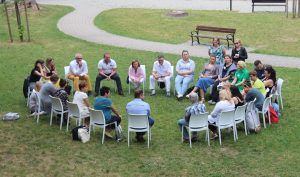
- Online reading groups and discussion circles
- Discord servers and Slack spaces for specific causes or identities
If in-person spaces feel intimidating or inaccessible, online communities can be a gentler entry point, and many offer hybrid events so you can join from wherever you are.
-
Your dating app and social circles
- Mention in your profile that you’re interested in community events or mutual aid.
- Ask matches if they know of local groups or events they love.
- Suggest a low-stakes community event as a date: a fundraiser show, a zine fair, or a community garden day.
The Power of Community: Why Showing Up Matters
Progressive work is about systems and policies, but it’s also deeply personal. Community events can:
- Combat isolation: It’s easy to feel overwhelmed by the news. Being in community reminds you that you’re not alone and that others care as much as you do.
- Build real, values-aligned relationships: When you meet people through shared causes, you’re starting from a place of common ground—whether it turns into friendship, collaboration, or romance.
- Support marginalized communities: Many events are organized by and for communities directly affected by injustice. Showing up, listening, and following their leadership is a tangible way to practice solidarity.
- Grow your skills and confidence: From public speaking to conflict resolution to logistics, organizing builds skills that translate into every area of life.
- Create local change: National movements matter, but a lot of impact happens close to home—tenant protections, school policies, mutual aid networks, and more.
For many people, progressive community spaces become chosen family. They’re places where your pronouns are respected, your access needs are taken seriously, and your values don’t feel “too much.” That sense of alignment can make dating and relationships feel more grounded and authentic too.
Tips for First-Timers (Especially if You’re Nervous)
If you’ve never been to a progressive community event before—or you’re returning after a break—it’s normal to feel awkward or unsure. You don’t have to arrive as an expert or a “perfect” activist. You just have to show up with curiosity and respect.
-
Start with lower-pressure spaces
If a big march feels overwhelming, try a book club, art build, or online workshop first. Social and educational events can be easier entry points than formal organizing meetings.
-
Go with a buddy (or meet one there)
Ask a friend, date, or mutual from social media to join you. If you’re going solo, look for events that mention “newcomer-friendly” or “orientation included.” Many groups have designated greeters or newcomer sessions—don’t hesitate to ask.
-
Check accessibility and safety info
Before you go, look for:
- Physical accessibility (elevators, ramps, seating)
- Masking or COVID safety guidelines
- Content warnings or emotional support resources
- Code of conduct or community agreements
If your needs aren’t mentioned, it’s okay to email or DM the organizers and ask. You deserve to know if a space will work for you.
-
Respect the space and follow leadership
Especially in spaces led by marginalized communities, listen more than you speak at first. Follow the guidance of organizers, respect boundaries, and avoid centering yourself if you’re not directly impacted by the issue.
-
Give yourself permission to be new
You don’t need to know every term, every theory, or every piece of history. If you make a mistake, take feedback, apologize sincerely, and keep learning. Growth is part of the work.
-
Ease into deeper involvement
If you enjoy an event, ask:
- “Is there a volunteer sign-up list?”
- “Do you have a newsletter or group chat?”
- “What’s a small way I can help next time?”
It’s okay to start small—maybe you bring snacks, help set up chairs, or share the event on social media. Consistency matters more than perfection.
Bringing It All Together: Build the Community You Want to Date In
Progressive community events aren’t just about “doing good.” They’re about building a culture where care, consent, accountability, and justice are normal—exactly the kind of culture that makes healthier relationships possible.
When you show up to a mutual aid distro, a queer art night, or a local tenants’ meeting, you’re not just filling your calendar. You’re:
- Meeting people who share your values and politics
- Practicing communication, collaboration, and care
- Contributing to a world where more people can feel safe, seen, and supported
Whether you’re looking for love, friendship, or just a sense that you’re not alone in caring this much, progressive community spaces can be a powerful home base. Start with one event—online or in person—and let yourself be curious. Your people might be closer than you think.
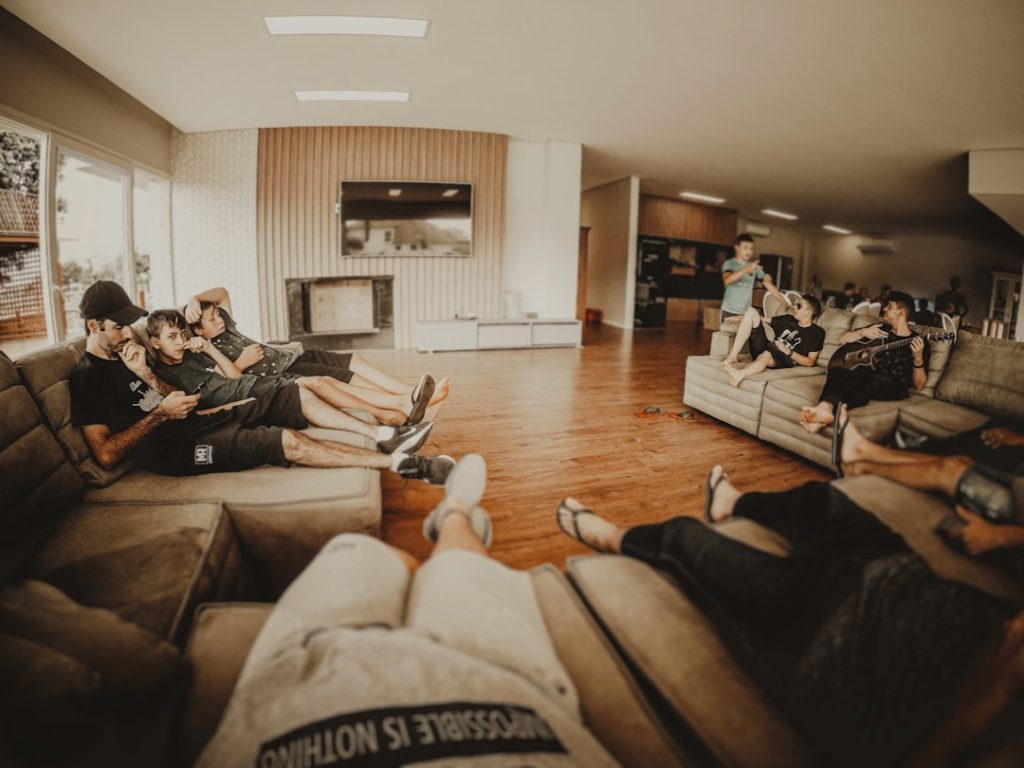
Photo by Marcos Wiedemann on Unsplash
Stay Connected with Flamr
Don’t forget to follow Flamr on social media!
Relacionado
Discover more from Fyra - Dating App for Progressives
Subscribe to get the latest posts sent to your email.