Love, Liberation, and the Fight for LGBTQ+ Rights
Dating has never been just about two people. It’s always been about the world that surrounds them: the laws that recognize (or erase) their love, the neighborhoods that make them feel safe (or unsafe), the workplaces that affirm (or punish) who they are. When we talk about LGBTQ+ rights, we’re really talking about whether everyone gets to show up as their full self in every part of life—including in love.
On a progressive dating app, it can be easy to assume we’re all “on the same page” about LGBTQ+ equality. But the story of queer and trans liberation is still unfolding. It’s a story of protest and pride, backlash and resilience, and everyday people choosing to love openly in a world that doesn’t always make that easy.
This isn’t just politics at a distance; it’s deeply personal. LGBTQ+ rights shape who feels safe to swipe, who feels safe to hold hands in public, who feels safe to put a real photo in their profile. Understanding that context helps us date more intentionally—and build a culture of care that goes far beyond the app.
From Criminalization to Pride: A Brief Look Back
For most of modern history, queer and trans people have loved in the shadows. Same-sex relationships were criminalized, gender diversity was pathologized, and LGBTQ+ people were often forced to live double lives. Police raids on gay bars were common, violence was routine, and mainstream culture either mocked queer and trans people or pretended they didn’t exist.
The modern LGBTQ+ rights movement in the United States is often traced back to the Stonewall uprising in 1969, when queer and trans patrons—many of them Black and brown—resisted a police raid at the Stonewall Inn in New York City. It wasn’t the first act of resistance, but it became a catalyst. Pride, which began as a protest, has grown into a global movement, even as its radical roots are sometimes forgotten.
Over the decades, activists organized for decriminalization, fought the HIV/AIDS crisis in the face of government neglect, demanded anti-discrimination protections, and pushed for marriage equality. Each win was hard-fought and incomplete:
- Decriminalization removed some of the most direct legal threats, but didn’t erase stigma.
- Marriage equality opened doors for many couples, but didn’t solve issues like homelessness among queer youth or violence against trans women of color.
- Visibility in media grew, but often centered white, cisgender, and conventionally attractive narratives.
History shows us two truths: progress is real, and progress is fragile. Gains have always been met with backlash. That’s still true today.
The Current Landscape: Progress and Pushback
Today, more people than ever openly identify as LGBTQ+. There are more queer and trans characters on screen, more out public figures, and more companies—including dating apps—publicly affirming LGBTQ+ inclusion. Many of us can list friends, coworkers, or family members who are out and supported in ways that would have been unthinkable a generation ago.
At the same time, the backlash is intense and coordinated. In recent years, we’ve seen:
- Legislation targeting trans people, especially youth, by restricting access to gender-affirming care, bathrooms, and sports teams.
- Attempts to limit discussion of sexual orientation and gender identity in schools, erasing queer and trans realities from classrooms.
- Escalating harassment against drag performers, educators, and healthcare providers who support LGBTQ+ communities.
- Ongoing violence, especially against Black and brown trans women, often underreported and under-investigated.
Globally, the picture is just as mixed. Some countries have advanced trans-inclusive policies and strong anti-discrimination laws, while others have doubled down on criminalization and censorship. In many places, queer and trans people are still at risk of arrest, forced “conversion” practices, or family-based violence.
Within this landscape, dating is not neutral. The question “Is it safe to be myself?” is not hypothetical for many LGBTQ+ people. It shapes everything from whether someone uses their real name on an app, to whether they list their pronouns, to whether they feel comfortable going on a date in certain parts of town.
For those who are not LGBTQ+ but care about justice, this is a critical moment to move beyond passive “support” into active solidarity. Because the choices we make in our personal lives—how we date, how we talk, what we normalize—either reinforce or challenge the systems around us.
Dating as a Site of Liberation
It might feel strange to connect the intimacy of dating with the big, structural fight for LGBTQ+ rights, but they’re deeply intertwined. Every profile, every match, every conversation is a tiny cultural moment where we either affirm or deny someone’s humanity.
On a progressive dating app, we have an opportunity to treat dating as a practice ground for liberation. That can look like:
- Normalizing pronouns and gender diversity. Adding pronouns to your profile (even if you’re cisgender) signals that you understand gender isn’t always obvious and that you respect people’s self-identification.
- Being intentional with language. Using gender-neutral terms like “partner” when you don’t know someone’s orientation, and not assuming pronouns or roles in a relationship based on appearance.
- Listening to lived experience. If a match shares what it’s like to date as a trans person, a nonbinary person, a bi person, or a queer person of color, treat that as valuable knowledge, not an argument to win or a curiosity to dissect.
- Challenging your own biases. Who do you swipe right on? Who do you overlook? Are you unconsciously filtering out people based on race, body size, gender expression, or disability? Dating preferences are shaped by culture—and culture can change.
- Respecting boundaries and disclosure. No one owes you their full identity or medical history. Asking invasive questions about someone’s body, transition, or “real name” is not curiosity; it’s a violation.
For LGBTQ+ folks, dating can be a place to reclaim joy after years of stigma or fear. For allies, dating can be a place to practice the world you say you believe in: one where everyone gets to be seen, desired, and respected as they are.
When we treat dating as political, we’re not saying romance has to be heavy or joyless. We’re saying that joy itself is political—especially for people whose joy has been labeled unacceptable or dangerous. A loving queer relationship, a trans person going on a safe and affirming first date, a bi person being believed rather than doubted: these are small acts of liberation in everyday life.
Imagining a More Queer, More Caring Future
Looking ahead, the future of LGBTQ+ rights is not guaranteed—but it is still full of possibility. Legal battles will continue, and they matter deeply: for gender-affirming care, for non-discrimination protections, for family recognition, for safety from hate crimes and harassment. But law is only one piece of the puzzle.
The culture we build together matters just as much. A more queer, more caring future could look like:
- Dating platforms that center safety, with robust tools against harassment, doxxing, and hate speech, and clear support for trans and nonbinary users.
- Communities where coming out is less of a singular, dramatic event and more of a natural part of being known and loved.
- Schools that teach honest, inclusive sex and relationship education, so young people grow up understanding consent, gender diversity, and healthy communication.
- Healthcare systems where gender-affirming care is accessible, affordable, and treated as basic healthcare, not a political bargaining chip.
- Expanded notions of family that recognize queer kinship, polyamorous relationships, co-parenting structures, and other ways people build loving lives together.
In that future, dating apps wouldn’t just be tools for finding a partner; they’d be part of a larger ecosystem of care. They’d help connect people to community, to resources, and to a sense of belonging. They’d be one more place where the message is clear: you deserve love, safety, and respect exactly as you are.
We’re not there yet. But every profile that names pronouns, every bio that says “trans people to the front,” every message that affirms someone’s identity, every refusal to tolerate bigotry on the app—those are steps in that direction.
Dating as Daily Practice: How You Can Show Up
You don’t need a law degree, a megaphone, or a giant social media following to be part of this movement. You can start with how you show up in your dating life and in your relationships. Consider reflecting on a few questions:
- How does my profile signal (or fail to signal) that I’m safe and affirming for LGBTQ+ people?
- What assumptions do I bring into conversations about gender, bodies, and roles in relationships?
- Whose stories about love and relationships do I seek out? Whose do I ignore?
- How do I respond when someone shares an experience of discrimination or harm—do I center my feelings, or do I listen and believe them?
And if you’re ready to move from reflection to action, you might:
- Update your profile to include your pronouns and a clear statement of your values.
- Support LGBTQ+ organizations with your time, money, or skills—especially groups led by trans people and people of color.
- Speak up when friends, family, or matches make transphobic or homophobic comments, even if it feels uncomfortable.
- Vote in local and national elections with LGBTQ+ rights in mind, paying attention to candidates’ records, not just their slogans.
Love is never just private. The way we love—who we love, how we love, whether we’re allowed to love—reveals what kind of society we’re building. On this app and beyond it, you have the chance to help build a world where every swipe, every date, and every relationship is grounded in dignity and respect.
As you scroll, match, and message, consider this an invitation: let your dating life be part of the struggle for liberation. Let your love—however it looks—be one more argument for a world where everyone gets to be fully, gloriously themselves.
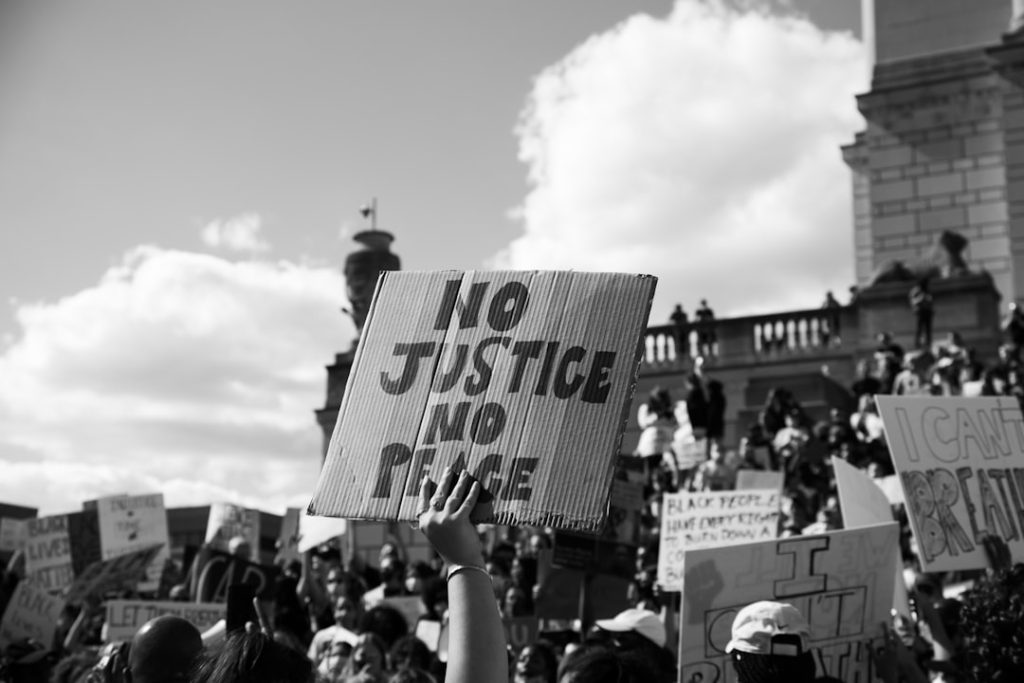
Photo by Madison Oren on Unsplash
Stay Connected with Flamr
Don’t forget to follow Flamr on social media!
Relacionado
Discover more from Fyra - Dating App for Progressives
Subscribe to get the latest posts sent to your email.