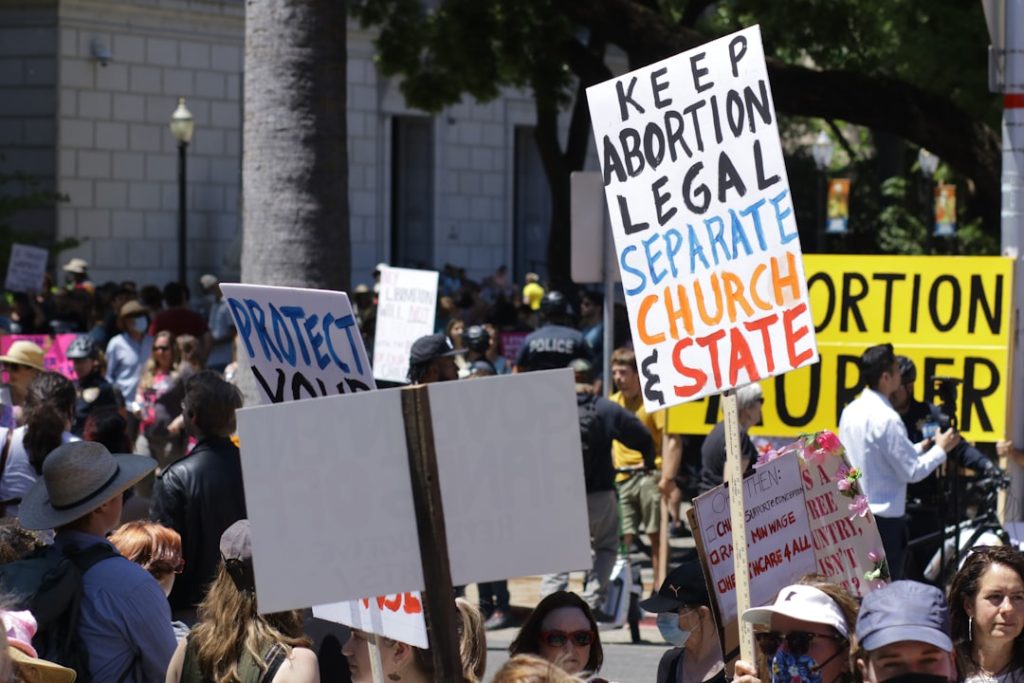
Love, Power, and the Polls: Dating in the Age of Voting Rights
On a dating app, it can feel like politics is the last thing you want to talk about. You’re here for connection, chemistry, maybe a little flirting—not a civics lecture. But the truth is, who we choose to love and how we build relationships is deeply connected to the world we live in. And few things shape that world more than voting rights.
When we talk about “compatibility,” we usually think about music taste, love languages, or whether we both want kids. Yet beneath all of that are questions of power: Who has a say in decisions that affect our lives? Whose voices count? Who gets to feel safe, seen, and free in public spaces?
Voting rights might sound abstract, but they’re actually about the most intimate parts of our lives—our bodies, our homes, our families, our futures. And in 2026, they’re also about the kind of relationships we’re building: Are we just matching with people, or are we also matching our values with our actions?
How We Got Here: A Short History of Who Gets a Voice
Democracy in the United States has never been a finished project. From the beginning, the right to vote was restricted to a very narrow slice of the population: white, land-owning men. Everyone else—Black people, Indigenous people, women, poor and working-class people, immigrants—was excluded by design.
Over time, resistance movements pushed that narrow circle wider:
- Reconstruction era: After the Civil War, Black men gained the right to vote on paper. In practice, violent repression, poll taxes, literacy tests, and terror campaigns kept many from the ballot box.
- Women’s suffrage: The 19th Amendment expanded voting rights to women, but white suffragists often sidelined Black women and women of color, who continued to face voter suppression.
- Civil Rights Movement: Organizers risked their lives to challenge Jim Crow laws. The Voting Rights Act of 1965 became a landmark law that finally gave the federal government tools to protect voters of color.
That history isn’t distant. Many of our grandparents and great-grandparents remember a time when voting meant risking your job—or your life. The fact that we can swipe, match, and debate politics in our DMs is built on generations of organizing and sacrifice.
And yet, the story doesn’t end with victory. The right to vote is not a one-time achievement; it’s a constant struggle over who counts as fully human in a political system.
Where We Are Now: The Personal Impact of Political Barriers
In recent years, voting rights have been under intense pressure. Court decisions have weakened key parts of the Voting Rights Act. Some states have passed laws that make it harder to vote: strict ID requirements, reduced early voting, aggressive purges of voter rolls, and closures of polling places in communities of color and low-income neighborhoods.
These policies don’t just exist in headlines; they show up in everyday life:
- Long lines at polling places mean a single parent has to choose between voting and picking up their kid on time.
- ID requirements hit people hardest who can’t easily take time off work, afford transportation, or navigate bureaucratic systems.
- Disinformation campaigns target marginalized communities, trying to convince people their vote doesn’t matter or that the system is too broken to engage with.
If you’ve ever had a late-night conversation with a match about whether it’s “worth it” to vote, you’ve felt this tension. Cynicism is understandable. So is exhaustion. Many people have watched election after election and still struggle with medical debt, low wages, housing insecurity, and violence at the hands of the state. It’s hard to feel hopeful when your lived reality doesn’t seem to change.
But opting out doesn’t make those systems disappear. It just leaves more space for others to decide the rules that shape our relationships: who has access to reproductive healthcare, whether queer and trans people are protected or targeted, whether people with disabilities can fully participate in public life, whether communities of color are overpoliced or resourced.
In that sense, voting rights aren’t just a “political issue”—they’re a relationship issue. They affect:
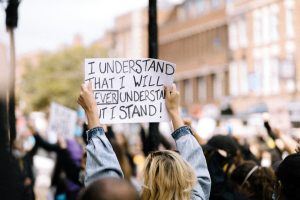
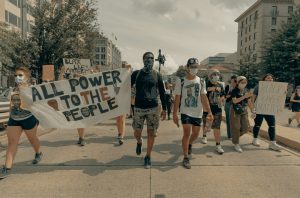
- Whether you and your partner can safely attend a protest without fear of extreme retaliation.
- Whether your friend group can afford the time and money to care for each other when someone gets sick.
- Whether your queer, trans, Black, brown, or immigrant loved ones are treated as full human beings under the law.
Dating as a Democratic Practice
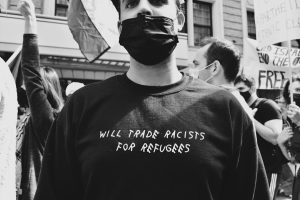
On a progressive dating app, people often say things like “no bigots,” “Black Lives Matter,” “ACAB,” “pro-choice,” or “trans rights are human rights” in their bios. These statements are more than slogans; they’re boundaries and invitations. They say: “This is how I understand justice. This is how I want to show up in the world—and in my relationships.”
What if we thought of dating as a small-scale democracy? Not in the sense of voting on where to eat (though that happens), but in how we share power, listen, and make decisions together. Healthy relationships require:
- Consent—everyone’s voice matters, and “no” is respected.
- Transparency—people are honest about their intentions and boundaries.
- Accountability—when harm happens, we name it and repair it.
- Inclusion—we make space for different experiences and identities.
Those same principles are at the heart of a truly democratic society. Voting rights are about consent at scale: Do people have a real say in what happens to them? Can they withdraw their support from leaders who harm them? Can they show up, be counted, and be heard?
When we swipe right on someone who cares about voting rights, we’re not just aligning with a “political position.” We’re aligning with a vision of how power should work in our lives. We’re saying we want relationships—and a society—where everyone is invited to the table, not just the privileged few.
Building a Future Where Every Vote—and Every Person—Counts
The future of voting rights is not guaranteed. There are real threats: disinformation, voter suppression, attacks on election workers, and a rising sense of hopelessness. But there are also powerful counterforces: grassroots organizers, youth-led movements, community-based mutual aid, and everyday people who refuse to give up on the idea that we can do better together.
Imagine a future where:
- Voting is as easy as ordering food on your phone, with strong security and universal access.
- Election Day is a national holiday, and employers are required to give paid time off to vote.
- People who were formerly incarcerated have their voting rights restored automatically.
- Schools teach not just the mechanics of voting, but the history of who fought for it—and why it matters.
- We treat voting as one tool among many: alongside organizing, mutual aid, protest, and direct action.
In that world, our dating lives would look different too. Conversations about politics wouldn’t just be about “left” or “right,” but about shared commitments to making sure everyone has a voice. Choosing a partner who cares about voting rights would be part of choosing a partner who cares about justice, care, and community.
That future isn’t guaranteed, but it is possible. It depends on what we do now—individually and together.
From Swipe to Action: Bringing Your Values Into Your Love Life
You don’t have to be a policy expert or a full-time activist to care about voting rights. You can start where you are, with what you have, and who you’re already connected to. Here are a few ways to weave this into your dating and relationship life:
- Talk about it early: Ask potential partners how they feel about voting, civic engagement, and justice—not as a test, but as a conversation about values.
- Make voting a shared ritual: Turn Election Day into a date—go together, grab coffee after, talk about what matters to you both.
- Support access, not just turnout: Volunteer with local organizations that help people register, get IDs, or find polling places, and invite friends or partners to join.
- Stay curious and humble: Listen to people whose communities are most impacted by voter suppression. Let their experiences shape your understanding.
- Connect the dots: When you talk about issues like climate, healthcare, queer and trans rights, racial justice, or student debt, remember that voting rules often decide who gets to shape those policies.
At the end of the day, a progressive dating app isn’t just about helping people find love; it’s about helping people find each other in a world that often tries to keep us isolated and powerless. Voting rights are one way we refuse that isolation. They’re a reminder that our choices, our voices, and our relationships matter.
So the next time you’re scrolling, matching, or messaging, take a moment to reflect: How do my values show up not just in my bio, but in my actions? How can I build relationships that honor not only my own voice, but the voices of those most often silenced?
And when the next election comes around, consider this: casting a ballot isn’t just a civic duty; it’s an act of love—for yourself, for your communities, and for the people you haven’t met yet, who are still waiting for a world where they fully count.
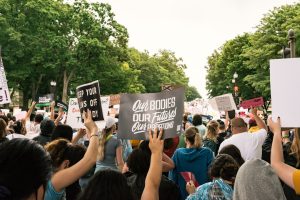
Photo by Aiden Frazier on Unsplash
Stay Connected with Flamr
Don’t forget to follow Flamr on social media!
Relacionado
Discover more from Fyra - Dating App for Progressives
Subscribe to get the latest posts sent to your email.