Why Progressive Community Events Matter (and How They Can Transform Your Dating Life)
Progressive dating isn’t just about swiping for someone who shares your values—it’s about living those values out loud. Community events give you a chance to show up for causes you care about, connect with people beyond small talk, and experience that rare feeling of “These are my people.” Whether you’re newly out, newly single, or newly politically engaged, progressive spaces can become the backdrop for friendships, dates, and relationships rooted in shared purpose.
From mutual aid meetups to climate justice rallies, there’s a whole ecosystem of events designed for people who care about equity, sustainability, bodily autonomy, racial justice, LGBTQ+ liberation, disability justice, and more. You don’t have to be an expert or a long-time activist to join in—you just need curiosity, respect, and a willingness to learn.
Types of Progressive Community Events to Explore
Progressive events aren’t one-size-fits-all. You can choose spaces that match your energy level, comfort zone, and social style. Here are some common types, with examples of what they might look like:
-
Mutual Aid & Community Care
Mutual aid focuses on neighbors supporting neighbors, outside of traditional charity models. These spaces tend to be collaborative, non-hierarchical, and very welcoming.
- Community fridges and free pantries (stocking, organizing, or delivering food)
- Clothing swaps and free stores
- Skill-share sessions (e.g., basic bike repair, budgeting, harm reduction)
- Community care circles, grief circles, or mental health support meetups
-
Social Justice & Advocacy Gatherings
These events center around education, organizing, and direct action for systemic change.
- Teach-ins and workshops on topics like abolition, reproductive justice, or trans rights
- Local organizing meetings for housing justice, voting rights, or disability advocacy
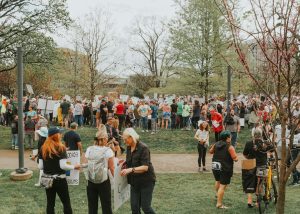
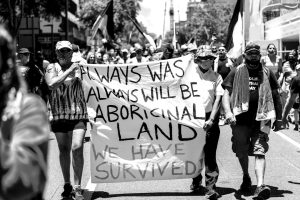
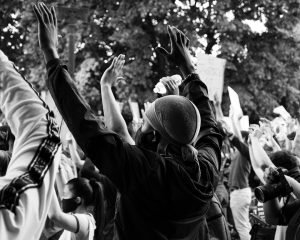
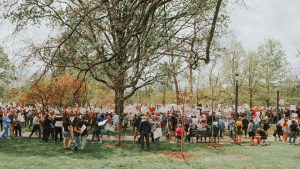
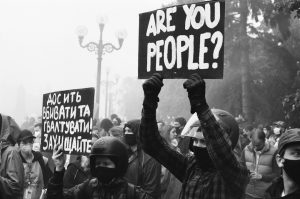
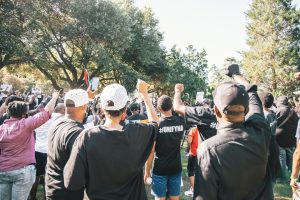
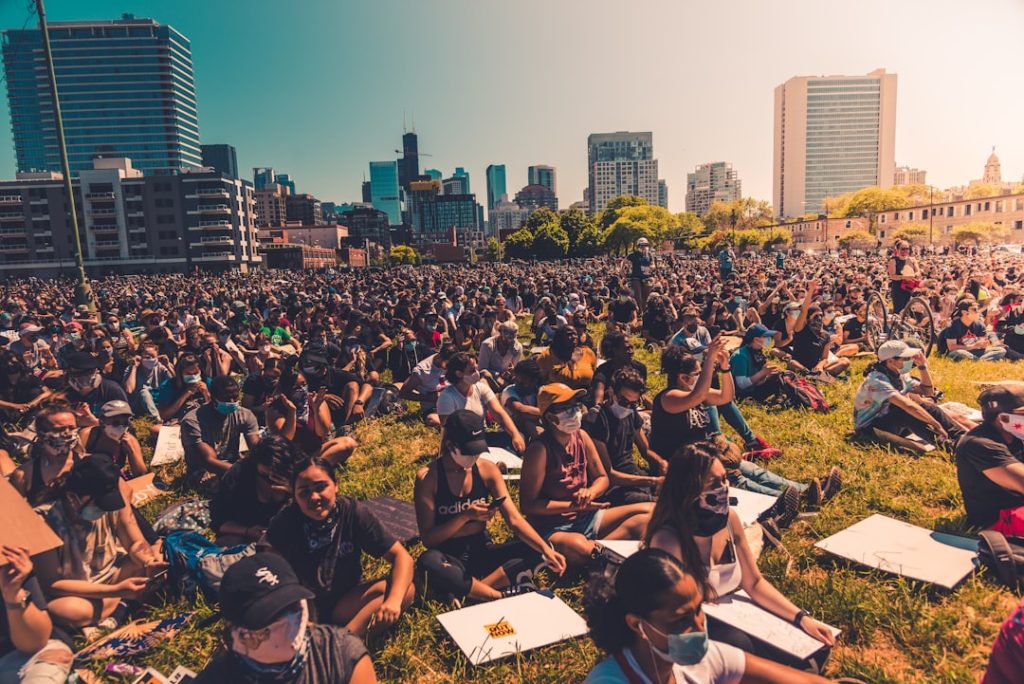
- Peaceful marches, rallies, and visibility actions
- Letter-writing or phone-banking parties for campaigns and causes
-
Queer, Trans, and Gender-Expansive Spaces
These spaces prioritize LGBTQ+ safety, joy, and community, often with a strong intersectional lens.
- Queer book clubs and film nights
- Pride events, trans day of visibility/ remembrance gatherings, and QTPOC socials
- Support groups for coming out, transitioning, or navigating family dynamics
- Queer sports leagues, game nights, and sober social events
-
Art, Culture, and Creativity with a Political Edge
Culture is where politics meets everyday life. These events can feel more relaxed while still rooted in shared values.
- Open mics and spoken word nights centering marginalized voices
- Community theater, drag shows, and dance events with sliding-scale entry
- Art builds for protests (sign-making, banner painting, costume design)
- Film screenings and panel discussions on social justice themes
-
Environmental & Climate Justice Actions
Climate justice spaces link environmental issues with racial, economic, and disability justice.
- Community garden workdays and urban farming projects
- Neighborhood cleanups and tree planting events
- Workshops on sustainable living, energy democracy, or transit justice
- Campaign meetings to fight pollution, pipelines, or environmental racism
-
Digital-First and Hybrid Communities
Not everyone can or wants to show up in person. Online spaces can be just as meaningful—and often more accessible.
- Virtual book clubs and reading groups
- Online teach-ins, webinars, and panel discussions
- Discord or Slack communities for specific identities or causes
- Hybrid events where you can join via video or chat
How to Find Local (and Online) Progressive Events
You don’t need insider connections to tap into progressive community life. A mix of mainstream platforms and grassroots channels can help you find your people.
-
Event Platforms
- Meetup: Search keywords like “social justice,” “LGBTQ+,” “mutual aid,” “climate justice,” or “progressive politics.” Filter by in-person or online.
- Eventbrite: Look under “Causes,” “Community,” or “Charity & Nonprofits.” Many local orgs post their events here.
- Facebook Events: Follow local organizations, community centers, and activist groups; check the “Events” tab often.
-
Local Organizations & Community Hubs
- Visit the websites or social pages of local LGBTQ+ centers, reproductive health clinics, racial justice orgs, and climate groups.
- Check calendars for community centers, co-ops, independent bookstores, and progressive faith congregations.
- Look for university or college social justice centers—many events are open to the public.
-
Mutual Aid & Grassroots Networks
- Search “[your city] mutual aid” or “[your city] tenants union” to find local collectives.
- Follow neighborhood groups on platforms like Nextdoor or local subreddits; many share food drives, donation calls, and volunteer needs.
- Look for “buy nothing” or community swap groups where mutual aid events often surface.
-
Online Communities
- Join progressive Discord servers or Slack communities that share event listings and host virtual meetups.
- Follow hashtags on social media like #mutualaid, #abolition, #queerjoy, or #climatejustice plus your city or region.
- Subscribe to newsletters from local orgs; many send monthly event roundups.
If you’re using a progressive dating app, you can also mention in your profile that you’re open to meeting up at community events—book clubs, volunteer days, or teach-ins can make for low-pressure, values-centered dates.
The Power of Community Building (Beyond Swipes and DMs)
Community events are more than social plans; they’re a way to practice the world you want to live in. When you show up, you’re doing a few important things at once:
-
Building real-world support networks
Instead of relying solely on romantic partners for emotional support, you’re weaving a web of friends, neighbors, and comrades. That takes pressure off your dating life and makes relationships healthier and more interdependent.
-
Learning through shared experience
Workshops, campaigns, and mutual aid projects give you a chance to deepen your understanding of issues like anti-racism, trans liberation, or disability justice in community, not just through headlines.
-
Practicing consent, communication, and accountability
Progressive spaces often have community agreements, safer space policies, and consent norms. Learning to navigate those can strengthen your skills in dating and relationships, too.
-
Finding people who share your values in action
It’s one thing to say you care about justice in your profile; it’s another to spend a Saturday at a community garden or a tenants’ rights meeting. When you meet someone in those spaces, you already know your values align at a deeper level.
Community building is slow, imperfect, and sometimes messy—but it’s also where friendships, chosen family, and long-term relationships often grow roots.
Tips for First-Timers: Showing Up with Care and Confidence
If you’re new to progressive spaces, it’s normal to feel nervous. You might worry about saying the wrong thing, not knowing enough, or not fitting in. Here are some ways to make your first events feel more grounded and affirming.
-
Start with your comfort zone
If a protest feels overwhelming, try a book club, film screening, or volunteer shift. If in-person events are hard, begin with online meetings or hybrid gatherings where you can keep your camera off at first.
-
Bring a buddy (or meet one there)
Ask a friend, date, or mutual from an online community to join you. If you’re going solo, look for events that explicitly mention being beginner-friendly, accessible, or welcoming to newcomers.
-
Read the event description and guidelines
Many progressive events share community agreements and accessibility info in advance. Look for notes about mask policies, scent-free requests, wheelchair access, language interpretation, or trauma-informed facilitation.
-
Lead with listening and humility
You don’t have to know everything. Introduce yourself, share your pronouns if you’re comfortable, and let people know you’re new. Listen more than you speak at first, and be open to feedback.
-
Respect boundaries and consent
Not every space is a dating space, even if you meet someone you’re attracted to. Prioritize the purpose of the event. If you do connect, keep your approach low-pressure and respectful: “I’ve enjoyed talking with you—would you be open to exchanging contact info to keep in touch?”
-
Take care of your energy
It’s okay to step outside, turn your camera off for a moment, or leave early if you’re overwhelmed. Community building is a marathon, not a sprint; you’re allowed to pace yourself.
-
Follow up
If you enjoyed an event, sign up for the email list, join the group chat, or add the next meeting to your calendar. Send a quick message to anyone you connected with: “It was nice meeting you at the art build—hope to see you at the next one.”
Taking the Next Step: Integrating Community into Your Love Life
Progressive dating isn’t just about matching with people who check the same boxes; it’s about building a life where your values and relationships reinforce each other. Community events are one of the best places to start:
- Use event listings as inspiration for low-pressure dates: a community garden morning, a film screening, or a fundraiser dance party.
- Share your favorite causes and local orgs in your dating profile to attract people who care about similar things.
- Balance intense political work with joy-centered events—picnics, queer game nights, arts festivals—so your social life feels sustainable.
You don’t have to be the most informed, the most “radical,” or the most outgoing person in the room. You just have to show up, be open, and keep learning. The communities you build now can become the foundation for deeper connections—with yourself, with others, and with the world you’re trying to change.
Photo by Max Bender on Unsplash
Stay Connected with Flamr
Don’t forget to follow Flamr on social media!
Relacionado
Discover more from Fyra - Dating App for Progressives
Subscribe to get the latest posts sent to your email.