Dating as a Progressive: How to Find Love Without Compromising Your Values
Dating in 2026 can feel like a lot. You’re juggling work, climate anxiety, election cycles, group chats, and maybe a pet who thinks they’re your roommate. On top of that, you’re trying to find someone who not only sparks chemistry, but also shares your commitment to justice, equity, and care.
Values-aligned dating doesn’t mean you only date people who agree with you on every single issue. It means you prioritize people who respect your values, are open to growth, and are willing to show up for others—not just themselves. The goal isn’t perfection; it’s alignment, curiosity, and integrity.
Below are some practical, progressive-friendly tips to help you date in a way that feels honest, grounded, and hopeful.
1. Lead With Your Values (Without Turning Your Profile Into a Manifesto)
Your dating profile is your first filter. It’s where you can signal what matters to you—clearly enough to attract aligned people and gently discourage those who aren’t a fit.
That doesn’t mean copy-pasting your favorite policy platform. Instead, weave your values into how you describe your life, what you care about, and how you spend your time.
- Be specific, not vague. Instead of “I care about social justice,” try “Mutual aid, racial justice, and trans liberation matter to me—looking for someone who cares about community, not just vibes.”
- Show, don’t just tell. Mention what you actually do:
- “Weekend farmer’s market runs and climate marches.”
- “I volunteer with a tenants’ union and will absolutely talk your ear off about housing justice.”
- “I’m big on consent, communication, and making sure everyone feels safe and seen.”
- Use prompts to your advantage. If the app has prompts, choose ones that let you highlight your values:
- “A cause I care about…”
- “My ideal Sunday…” (hint: it can include protests, community brunch, and naps)
- “I’m known for…” (e.g., “calling my reps and bringing snacks to organizing meetings”)
Example: Instead of “No conservatives,” you might write, “I’m happiest with people who support queer and trans rights, racial justice, and bodily autonomy. If that’s not your thing, we’re probably not a match.” It’s clear, firm, and still respectful.
2. Have the Hard Conversations Early (And With Kindness)
Many people worry that bringing up politics, identity, or social issues will “ruin the vibe.” But if those things shape your life—and for most progressives, they do—it’s better to talk early than to find out months in that you’re fundamentally misaligned.
You don’t need to interrogate someone on date one, but you can gently invite these topics in.
- Ask open, values-based questions:
- “What are you passionate about outside of work?”
- “How do you like to show up for your community?”
- “How did the last few years change how you see the world?”
- Share your own stance first. People often feel safer opening up when you do:
- “I’ve been really involved in disability justice spaces lately—it’s changed how I see relationships and care.”
- “I’m pretty politically engaged; I vote, I organize, and I try to live those values day-to-day.”
- Notice how they respond. Do they:
- Get curious and ask questions?
- Dismiss or minimize (“Everyone’s too sensitive these days”)?
- Get defensive or mocking?
Green flags include humility (“I’m still learning about that, but I care”), accountability (“I used to think X, then someone called me in”), and empathy (“Even if I don’t fully get it, I want people to feel safe and respected”).
Red flags can be subtle—like joking about pronouns, calling activism “drama,” or saying “I don’t do politics” in a way that erases the realities of people whose lives are politicized by default.
You deserve someone who doesn’t just tolerate your values, but respects and maybe even shares them. Setting that expectation early saves everyone time and heartache.
3. Practice Consent, Communication, and Care (In Every Direction)
Progressive dating isn’t just about who you vote for; it’s about how you treat people. Consent, emotional honesty, and care are not buzzwords—they’re daily practices.
- Make consent explicit and enthusiastic.
- Ask before you touch, kiss, or escalate physically: “Can I kiss you?” “Is this okay?”
- Check in about comfort: “Do you want to keep hanging out, or are you ready to call it a night?”
- Be honest about what you’re looking for.
- If you’re exploring non-monogamy: “I’m ethically non-monogamous and committed to being transparent and communicative about it.”
- If you want long-term partnership: “I’m ultimately looking for something serious, even if we start slow.”
- Respect boundaries without negotiation.
- If someone says they’re not ready for sex, believe them.
- If someone needs slower communication, adjust or move on—don’t pressure.
- Don’t “ghost” when you can be kind.
Sometimes safety or emotional overwhelm makes disappearing the only option, and that’s valid. But when you can, send a simple message:
- “I’ve enjoyed getting to know you, but I’m not feeling a romantic connection. Wishing you all the best.”
- “I’m realizing I don’t have the capacity to date right now, so I’m stepping back.”
Think of it this way: the same care you want to see in the world—mutual respect, informed consent, accountability—you can practice at the micro-level in your dating life.
4. Navigate Differences Thoughtfully (And Know Your Dealbreakers)
No two people are identical. Even among progressives, you’ll find different priorities, strategies, and lived experiences. The question isn’t “Do we agree on everything?” but “Can we disagree in ways that are respectful, safe, and growth-oriented?”
- Clarify your non-negotiables.
For many progressives, dealbreakers might include:
- Dismissing or opposing queer and trans rights.
- Racist, xenophobic, or ableist beliefs or “jokes.”
- Controlling attitudes around reproductive autonomy.
- Hostility toward therapy, mental health, or trauma-informed care.
Write these down for yourself. It’s easier to hold boundaries you’ve already named.
- Different priorities can be okay.
Maybe you’re deep in climate organizing and they’re focused on prison abolition. Maybe you’re more electoral, they’re more direct action. You don’t need identical paths—just shared respect and a willingness to understand each other’s work.
- Handle conflict with curiosity.
- Use “I” statements: “I feel uncomfortable when…” instead of “You’re wrong because…”
- Ask, “Can we pause and come back to this later?” if things get heated.
- Notice if they can apologize and repair, or if they double down and deflect.
Example: You find out they’re not very engaged politically but they’re open, supportive of your activism, and willing to learn. That might be workable. But if they roll their eyes at your communities or call your concerns “overreactions,” that’s more than a difference—it’s misalignment.
5. Take Care of Yourself While You’re Trying to Take Care of the World
Being values-driven can sometimes mean feeling like you have to hold everything together—your life, your community, your relationships, the planet. That’s a lot to carry, and burnout is real.
Dating should add to your life, not become another site of depletion. Some ways to protect your energy:
- Set sustainable expectations.
- You don’t have to respond to every message immediately.
- You can take breaks from dating apps without “failing.”
- You can say, “I don’t have the capacity to talk about heavy topics tonight—can we keep it light?”
- Lean on your community.
- Check in with friends, chosen family, or affinity groups about your dating experiences.
- Ask for perspective when you’re unsure if you’re overreacting—or underreacting—to a red flag.
- Remember you’re allowed joy.
Joy is not a distraction from justice; it’s fuel for it. Let yourself flirt, laugh, be silly, go on cute dates, and enjoy intimacy. You’re not betraying your values by being happy.
- Know when to step back.
If dating starts to feel like another exhausting campaign, it’s okay to pause. Your worth is not defined by whether you’re partnered, casually seeing people, or happily solo.
Self-compassion is a radical practice too. You’re allowed to be imperfect, to learn, to mess up and repair, and to grow alongside someone else.
Bringing It All Together
Values-aligned dating as a progressive is about more than finding someone who retweets the same politicians or follows the same organizers. It’s about seeking people who:
- Respect your identity and the identities of others.
- Care about harm reduction, consent, and accountability.
- Are open to learning and unlearning.
- Want relationships rooted in mutual care, not just convenience.
As you navigate swipes, first dates, and everything in between, remember: you don’t have to shrink your politics to be lovable. You don’t have to hide your pronouns, your causes, your community, or your boundaries. The right people will find those things not just acceptable, but beautiful.
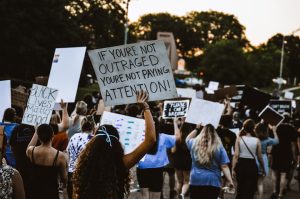
You’re allowed to want a partner who will show up at the protest with you, respect your pronouns, celebrate your communities, and hold your hand when the news cycle feels like too much. That’s not “too much to ask”—it’s a reflection of the care you’re already offering the world.
Keep leading with your values, your curiosity, and your heart. There are people out there who are just as ready as you are to build something honest, kind, and deeply aligned. And you deserve to find them.
Stay Connected with Flamr
Don’t forget to follow Flamr on social media!
Relacionado
Discover more from Fyra - Dating App for Progressives
Subscribe to get the latest posts sent to your email.