Love, Power, and the Ballot: Dating in the Age of Voting Rights
When we talk about dating, we usually talk about chemistry, compatibility, and communication. But beneath all of that is something quieter and just as powerful: our values. Who we vote for, what we protest for, what we refuse to accept—these choices shape not just our politics, but our relationships. In 2026, one of the clearest places where love and values intersect is voting rights.
At first glance, voting might seem like a dry topic for a dating app blog. Yet whether we realize it or not, many of us are already “soft-matching” based on politics. We swipe left when someone says “no politics,” or swipe right when they mention mutual aid, reproductive justice, or climate action. We know that who we love is connected to what we believe. The question is: what does it mean to date—and build a future—during a time when the right to vote itself is contested?
How We Got Here: A Brief History of Who Counts
The story of voting rights in the United States is really a story about who is considered fully human and fully part of the community. The Constitution didn’t originally guarantee a right to vote; it left that up to the states, which mostly decided that white, land-owning men counted and everyone else didn’t.
Over time, people fought and organized to expand the circle:
- Reconstruction & the 15th Amendment: After the Civil War, Black men were formally granted the right to vote. But this promise was quickly undermined by poll taxes, literacy tests, violence, and terror.
- Women’s suffrage: The 19th Amendment, passed in 1920, extended voting rights to women—though in practice, many women of color were still blocked.
- Civil Rights era: The Voting Rights Act of 1965 targeted discriminatory practices that kept Black voters and other marginalized communities from the polls, especially in the South.
- Language access & disability rights: Later reforms required ballots in multiple languages and improved access for disabled voters.
The throughline is clear: every major expansion of voting rights came from sustained, collective struggle. People marched, organized, risked their livelihoods—and often their lives—to be recognized as full participants in democracy. Every gain was met with backlash. The fight over who counts has never been abstract; it has always been about real people, families, and communities.
Where We Are Now: A Democracy in Tension
In the last decade, we’ve seen a wave of new laws and policies that make it harder, not easier, to vote. Some of these changes are framed as “election integrity” or “security,” but their impact is clear: they disproportionately burden Black, Indigenous, and other voters of color, young people, disabled people, low-income communities, and people with unstable housing or documentation.
Common barriers include:
- Strict ID laws that don’t account for people without driver’s licenses, or those whose documents don’t match their gender identity or name.
- Polling place closures in marginalized neighborhoods, forcing people to travel farther or wait in hours-long lines.
- Reduced early voting and mail-in options, which hit shift workers, caregivers, and people with disabilities especially hard.
- Voter roll purges that remove people—often inaccurately—from registration lists.
- Criminal disenfranchisement that strips people with felony convictions of their voting rights, sometimes permanently, reinforcing racial and economic inequality.
At the same time, there’s a powerful countercurrent. Grassroots organizers, many of them young, queer, Black, Indigenous, and people of color, are building new infrastructures of participation: rides to the polls, voter education campaigns on social media, mutual aid networks that connect civic engagement with everyday survival. Technology is both a tool and a battleground—used for disinformation and suppression, but also for mass mobilization and community building.
And then there’s us: people trying to date, build relationships, and imagine futures together in the middle of this tension. For many, politics is no longer something you can politely avoid on a first date. It’s woven into our identities, our safety, our families, and our sense of home.
Why Voting Rights Belong in Our Love Lives
We often describe voting as a “civic duty,” but it’s also an act of care. When we vote to expand healthcare, we’re voting for someone’s partner to access life-saving treatment. When we vote for inclusive education, we’re voting for our future kids, nieces, nephews, and neighbors. When we vote to protect trans rights, we’re voting for our friends, our dates, ourselves.
In a dating context, conversations about voting rights can reveal a lot:
- Empathy: Does this person recognize that not everyone experiences the system the same way? Are they willing to listen to stories of people who face barriers they don’t?
- Shared responsibility: Do they see democracy as something we all maintain together, or something that “just happens” around them?
- Power and privilege: Are they aware of how race, class, gender, disability, and citizenship status shape access to the ballot—and to safety and opportunity more broadly?
For many people—especially those from communities targeted by voter suppression—this isn’t theoretical. It’s about whether their family members can vote without intimidation, whether their community’s political power is diluted, whether their lives are seen as expendable. Ignoring voting rights can feel, to some, like ignoring their humanity.
That doesn’t mean every couple has to agree on every candidate or policy. But it does mean that treating voting as “no big deal” can be a red flag, especially for those whose rights are constantly up for debate. In a world where some people’s very ability to be heard is under attack, indifference is its own kind of stance.
Imagining a More Loving Democracy
It’s easy to feel discouraged. Courts roll back protections, legislatures push new restrictions, and disinformation spreads faster than fact-checks. But the story doesn’t end there. Across the country, people are reimagining what democracy could look like if it were rooted in care, access, and love.
Some possibilities already taking shape:
- Automatic and same-day registration that makes participation the default, not a bureaucratic obstacle course.
- Expanded early voting, vote-by-mail, and secure drop boxes to ensure that work schedules, caregiving responsibilities, or disability don’t keep people from participating.
- Language access and community-based polling places in schools, community centers, and public housing, staffed by people from the neighborhood.
- Restoration of voting rights for people with felony convictions, recognizing that punishment should not mean permanent exclusion from public life.
- Digital tools that make registration, information, and civic engagement accessible and secure, while centering privacy and equity.
At the cultural level, we’re also seeing a shift. More people are connecting issues that once seemed separate: climate justice and voting rights, reproductive freedom and judicial appointments, labor rights and local elections. The idea that “politics” is just about presidents is giving way to a deeper understanding of power—one that includes school boards, city councils, sheriffs, judges, and the everyday decisions that shape our lives.
In relationships, this opens up space for more honest conversations: not just “Who are you voting for?” but “What kind of world are you trying to build—and how do we get there together?” It invites us to see voting not as the only tool we have, but as one tool among many in a larger toolbox of collective action: protest, mutual aid, unionizing, organizing, storytelling, art, and more.
From Swipe to Solidarity: What We Can Do Together
If you’re reading this on a dating app blog, you’re probably already thinking about connection—who you want to build with, what kind of love you’re looking for, what kind of community you want around you. Voting rights might seem like a big, abstract issue, but there are ways to bring it down to the scale of your own life and relationships.
Some possibilities to consider:
- Make values part of your profile. You don’t have to write a manifesto, but a simple line like “Into mutual aid, voting rights, and Sunday farmers’ markets” can signal what matters to you.
- Talk about access, not just candidates. When elections come up on dates, ask: “What helps you feel like your voice matters?” or “Have you ever faced barriers to voting?” Listen with curiosity, not defensiveness.
- Turn dates into civic rituals. Register to vote together, volunteer as poll workers, or help friends check their registration status. Make it a shared experience, not a solitary chore.
- Support those on the front lines. Donate, amplify, or volunteer with organizations led by communities most impacted by voter suppression—especially Black, Indigenous, immigrant, disabled, and low-income communities.
- Stay gentle and grounded. Politics can be triggering, especially for those who’ve experienced state violence or exclusion. Approach these conversations with care and consent.
Ultimately, dating in 2026 isn’t just about finding someone who likes the same shows or shares your taste in music. It’s about finding people who see your humanity—and the humanity of others—as non-negotiable. Voting rights are one reflection of that deeper commitment.
So as you swipe, chat, and meet up, consider this an invitation: to reflect on your own relationship with democracy, to ask how your love life and your civic life intersect, and to imagine what it would mean to build relationships rooted in solidarity as well as affection.
The next time you match with someone, you don’t have to open with a policy debate. But at some point, you might ask: What kind of world are you voting for—and how can we help each other get there? The answers won’t just tell you about their politics. They’ll tell you about their heart.
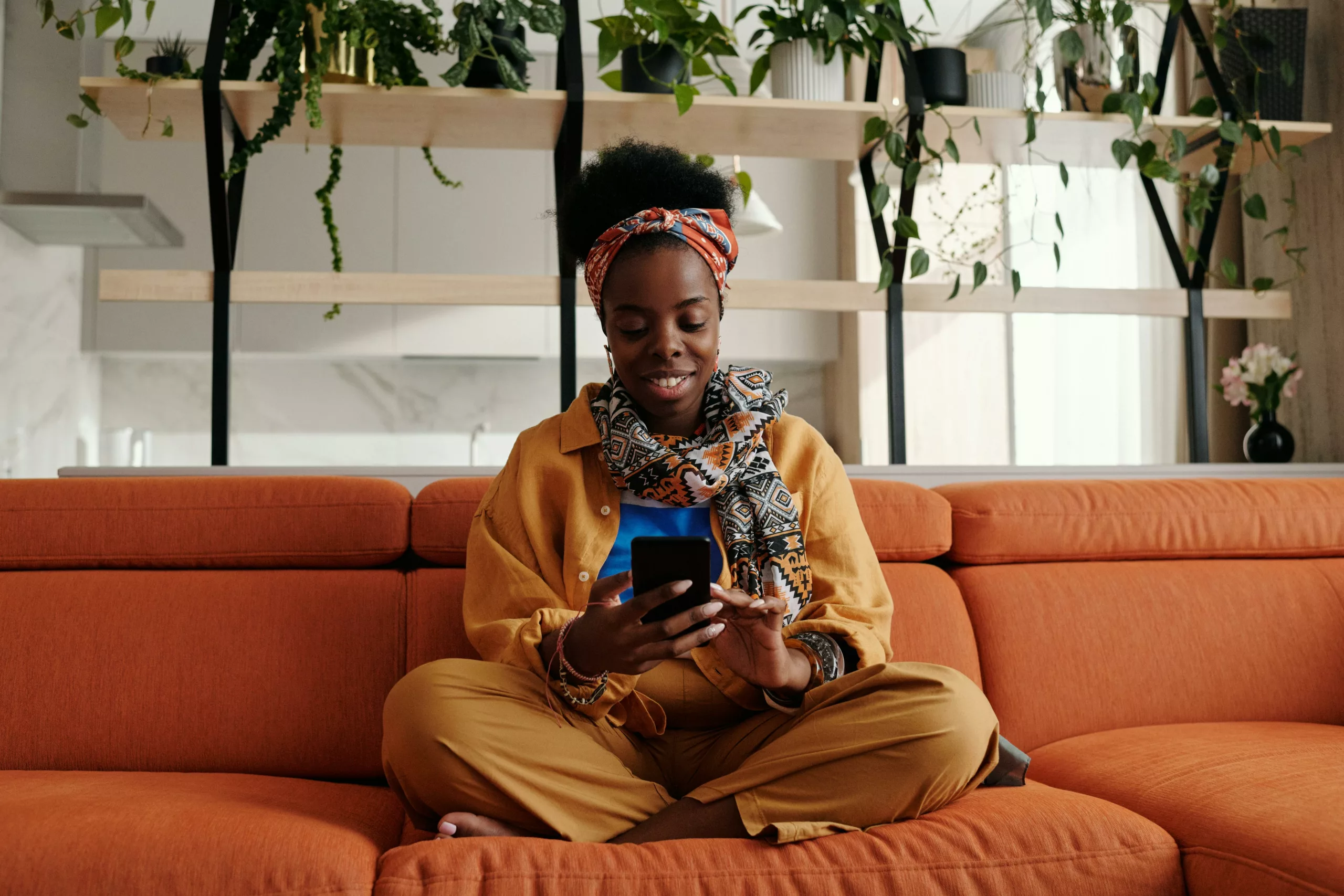
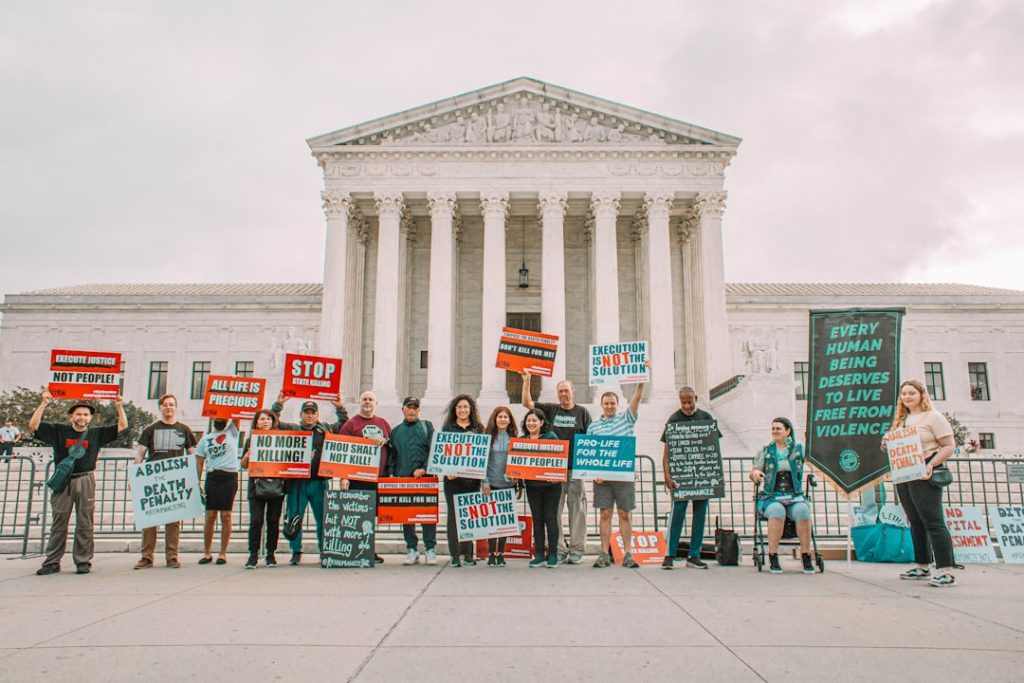
Photo by Maria Oswalt on Unsplash
Stay Connected with Flamr
Don’t forget to follow Flamr on social media!
Relacionado
Discover more from Fyra - Dating App for Progressives
Subscribe to get the latest posts sent to your email.